Abstract Patterns 10 Pages 5: A Hand-Drawn Toolkit for Modern Creatives
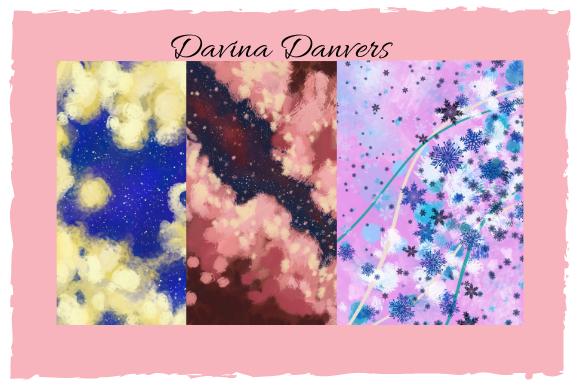
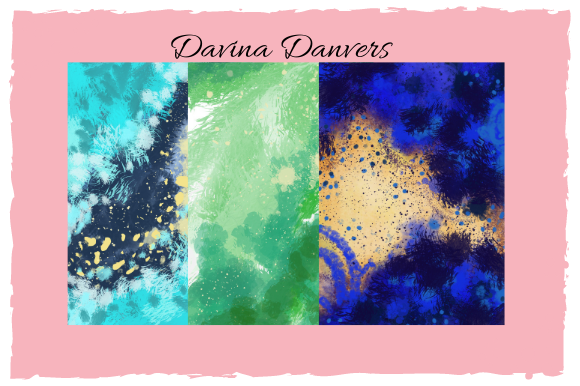
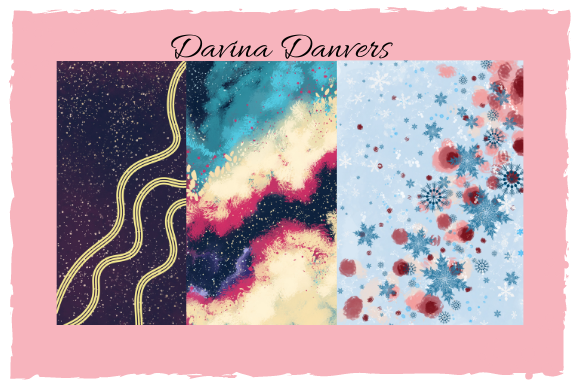
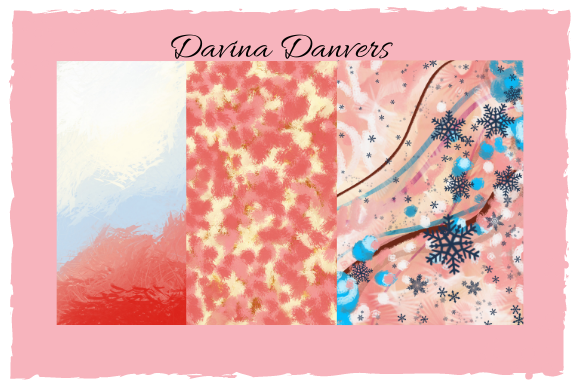
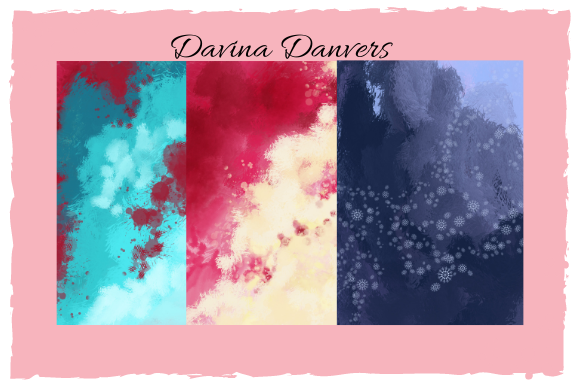
In an era saturated with generative artificial intelligence and mass-produced digital assets, the demand for authentic, human-crafted design elements has never been stronger. Abstract Patterns 10 Pages 5, a hand-drawn collection by Davina Danvers, arrives at a moment when creators across industries are rediscovering the value of imperfection, texture, and personal expression. This downloadable set—comprising a single PDF file with ten illustrations sized at 8.5×11 inches and ten corresponding JPG files at 300 dpi—offers a versatile foundation for projects ranging from branding to editorial design, social media content, and beyond.
Danvers, known for her intuitive approach to shape and color, has built a reputation for work that feels both spontaneous and deliberate. The patterns in this collection are not algorithmic outputs or sterile vector repeats; they are compositions that bear the subtle irregularities of human touch—variations in line weight, organic color blends, and compositions that breathe. For professionals and hobbyists alike, this shift toward hand-drawn authenticity represents a meaningful departure from the polished uniformity that has dominated digital design for the past decade.
Why Hand-Drawn Abstract Patterns Matter Now
The resurgence of hand-drawn and analog-inspired aesthetics is not a nostalgic retreat but a strategic response to changing audience expectations. Consumers, readers, and clients have grown accustomed to the visual language of templates and stock assets. They can sense when a design was assembled from pre-built components. What resonates today is work that feels made rather than merely assembled.
Abstract patterns occupy a unique space in this landscape. Unlike representational illustrations, abstract forms invite interpretation and emotional engagement. They can evoke mood, movement, or atmosphere without dictating a specific narrative. This openness makes them extraordinarily versatile. A single pattern from Abstract Patterns 10 Pages 5 might serve as a book cover background, an Instagram story frame, a presentation accent, or a packaging motif—each time carrying a different meaning shaped by context.
From a practical standpoint, the file format included in the download reflects real-world workflow needs. The PDF contains all ten illustrations on standard letter-sized pages, ideal for print mockups, physical prototyping, or inclusion in branded PDF documents. The 300 dpi JPGs provide high-resolution raster files suitable for digital publishing, web use at full size, or scaled output for posters and signage. Having both formats eliminates the need for file conversion and ensures that users can drop assets directly into their preferred software—whether that is Adobe Illustrator, Canva, Procreate, Keynote, or a desktop publishing tool.
How This Collection Fits into Changing Creative Workflows
The way people create and consume visual content has shifted dramatically in the past five years. Freelancers, small business owners, and marketers often find themselves acting as de facto designers, whether or not they have formal training. In this environment, access to high-quality, flexible assets is not a luxury—it is a necessity for maintaining brand consistency and visual appeal without hiring a specialist for every project.
Abstract Patterns 10 Pages 5 is designed with this reality in mind. The patterns are not prescriptive; they are tools for creative problem-solving. A blogger covering wellness topics might use a soft, flowing abstract to reinforce calm and organic messaging. A tech entrepreneur rebranding their startup could select a bold, angular pattern to signal innovation and energy. The collection does not impose a single aesthetic; it offers variety within a cohesive hand-drawn language, allowing users to curate their own visual identity.
This aligns with a broader trend toward modular, customizable design systems. Rather than commissioning custom illustrations from scratch—which can be time-intensive and costly—creatives can start with pattern assets and build from there. The hand-drawn nature of Danvers’ work means that these patterns already carry personality. Layering typography, photography, or graphic elements on top preserves that personality while adapting it to specific needs.
Colorful abstract patterns also respond to the growing importance of visual distinctiveness in crowded digital spaces. Social media feeds, websites, and marketing emails are increasingly homogenized. A brand that uses generic gradients or overused stock photography blends into the background. Hand-drawn patterns, by contrast, create immediate visual texture and differentiation. They signal that attention has been paid to the details—a quality that audiences subconsciously recognize and reward.
The Evolution of Abstract Patterns in Professional Practice
Abstract patterns have long been a staple of graphic design, but their role has evolved. In print advertising of the mid-20th century, abstract motifs were often decorative afterthoughts. Today, they are frequently the primary visual element, carrying the weight of brand identity and emotional messaging. This shift has been driven by the need for assets that perform across media—from tiny app icons to large-format displays—without losing their impact.
Danvers’ approach reflects this contemporary understanding. Her patterns are not dense, busy, or overwhelming. They are composed with negative space, rhythmic repetition, and thoughtful color relationships that remain legible at different scales. This is not accidental. Creating a pattern that works at 50 percent of its original size and at 200 percent requires a different kind of design thinking than a one-off illustration. The user downloading this collection can trust that the file will hold up across applications.
The 8.5×11 inch format is another thoughtful choice. This is the standard size for print documents, presentation slides, and many digital canvas templates. Users can print the PDF pages directly for tactile inspiration, color testing, or physical mockups. They can also import the JPGs into design software and have them immediately map to a familiar canvas size, reducing the need for resizing or cropping at the outset. For educators creating handouts, entrepreneurs building pitch decks, or marketers designing printable promotional materials, this alignment with standard dimensions saves time and reduces friction.
Practical Implications for Different Audiences
For freelance designers and creatives, this collection functions as a versatile addition to a pattern library. Having ten distinct hand-drawn abstracts on hand can accelerate project timelines, especially for clients who want something original-looking but have production budgets that do not allow for custom illustration. Freelancers can present patterns as starting points for visual direction, using them in mood boards, draft layouts, or client presentations before committing to final artwork.
For marketers and business owners, the value lies in speed and coherence. A product launch, seasonal campaign, or website update often requires visual content on tight deadlines. Hand-drawn patterns can unify disparate materials—email headers, social tiles, landing page backgrounds, and printed collateral—without requiring a full brand redesign. Because the patterns share a consistent hand-drawn sensibility, they naturally feel related even when used in different contexts.
For educators and content creators, the collection offers ready-made visual aids. Abstract patterns can frame quotes, separate sections in a presentation, or add visual interest to worksheets and handouts. The 300 dpi resolution ensures that even when projected on a large screen or printed at high quality, the patterns retain their crispness and color fidelity. Hand-drawn patterns, in particular, can humanize digital or printed educational materials, making them feel less institutional and more engaging.
For hobbyists and personal projects, the download provides a low-barrier entry point to working with professional-grade assets. Someone creating a photo album, a personal blog, or custom stationery can use these patterns as backgrounds, accents, or frames without needing advanced design skills. The PDF format is especially accessible: users can print the patterns at home and use them for scrapbooking, journaling, or wall art.
Across all these use cases, the Abstract Patterns 10 Pages 5 collection reduces the gap between intention and execution. It removes the need to start from a blank canvas while still allowing for originality. The patterns are not templates in the restrictive sense; they are material to work with, modify, and reinterpret.
Why Color and Hand-Drawn Quality Matter in Today’s Visual Landscape
Color trends shift, but the underlying human response to color remains constant. Hand-colored or hand-guided color application introduces subtle variations that digital fills cannot replicate. In Danvers’ work, colors interact organically, with the overlaps and bleed marks that characterize physical media. This is not a flaw but a feature. In a world where digital precision is the default, slight unpredictability reads as warmth, authenticity, and care.
The colorful abstract patterns in this collection are also calibrated for contemporary aesthetic preferences. They lean into palettes that feel current without chasing short-lived trends—moody jewel tones, muted pastels with contrast accents, and earthy neutrals punctuated with bright notes. This sensibility ensures that the patterns remain relevant beyond a single season or campaign cycle.
Furthermore, the hand-drawn nature of the patterns supports accessibility and inclusivity in visual communication. Abstract forms can be interpreted differently by different viewers, allowing brands and creators to communicate mood and identity without relying on culturally specific imagery or symbols. This flexibility is especially valuable for businesses and organizations operating across geographies or serving diverse audiences.
Getting the Most from the Download
For users who want to maximize the utility of the collection, a few practical recommendations emerge. First, consider the PDF not merely as a container for the patterns but as a presentation tool in its own right. The 8.5×11 inch layout can be used as a portfolio spread, a proposal page, or a style guide entry. Printing the pages also allows for physical color checking—what looks vibrant on screen may behave differently in print, and having a hard copy to reference ensures better final output.
The JPG files at 300 dpi are best reserved for digital applications where resolution matters: web graphics at full size, high-quality PDF exports, or print-ready files. Users working in raster-based software like Procreate or Photoshop can layer the patterns into composites, apply blending modes, or crop them to custom dimensions without losing image quality. For vector workflows, the patterns can be placed as high-resolution references or traced for further customization.
It is also worth noting that hand-drawn patterns often pair well with typography. The organic quality of the illustrations contrasts effectively with clean sans-serif typefaces or complements handwritten scripts. Experimenting with scale—using a pattern as a subtle background for text or enlarging it to become the primary visual element—can produce dramatically different results from the same starting asset.
A Relevant Resource for a Visual Age
As the lines between professional and amateur content creation continue to blur, access to thoughtfully designed, human-crafted assets becomes increasingly valuable. Abstract Patterns 10 Pages 5 by Davina Danvers is not simply a collection of decorative images; it is a toolkit for visual expression that respects the user's creativity. By providing ten distinct patterns in two practical formats, the download equips a wide range of users—from seasoned designers to curious beginners—with material that is ready to use yet open to interpretation.
The relevance of such a collection extends beyond any single trend or technology. Hand-drawn abstract patterns respond to a persistent human need: the desire for beauty that feels personal, for design that communicates care, and for tools that empower rather than constrain. In a time when visual content is produced and consumed at an unprecedented scale, assets that bring authenticity, versatility, and professional quality into one package are not just useful—they are essential.