Using Teddy Bear Love Seamless Patterns to Elevate Your Brand and Creative Projects
When you work with visual content day after day, you quickly learn that the difference between an average design and a memorable one often comes down to the details. Patterns, in particular, have a quiet power. They set a mood, communicate a tone, and create a sense of cohesion that flat colors or random graphics cannot achieve. This is where Teddy Bear Love Seamless Patterns enter the picture—not merely as a decorative element, but as a strategic tool for anyone serious about making their work stand out.
Whether you are a small business owner developing product packaging, a freelancer preparing client presentations, or an educator designing classroom materials, the right pattern can transform your output from ordinary to intentionally crafted. Below, we explore what this product offers, why it matters for your goals, and how to use it with purpose and clarity.
What Teddy Bear Love Seamless Patterns Actually Provide
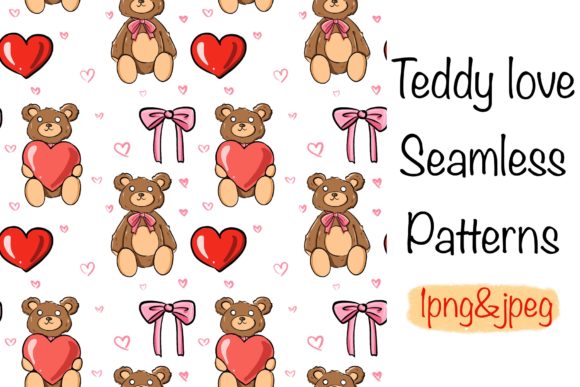
At its core, Teddy Bear Love Seamless Patterns is a digital asset that gives you a repeating design featuring teddy bear motifs, rendered in a loving, warm aesthetic. The product comes as one PNG file and one JPEG file, both ready for immediate use. The seamless nature of the pattern means it tiles without visible edges, making it ideal for covering surfaces of any size—from a small postcard to a large presentation backdrop.
But the real value lies in what this pattern represents: a theme of warmth, affection, and gentle appeal. In a market saturated with cold, impersonal graphics, a pattern that evokes positive emotion can differentiate your work. It is not just a background; it is a communication choice.
- PNG file supports transparency, giving you flexibility to layer the pattern over other elements.
- JPEG file offers a smaller file size for quick placement in documents and web projects.
- Seamless tiling eliminates awkward cuts, saving you time and frustration during layout.
For entrepreneurs, marketers, and creators who regularly produce materials, this asset provides a ready-made foundation for many applications. The question is not whether it looks nice—it does—but how you can align it with your larger objectives.
Why Strategic Use Matters More Than Random Decoration
There is a common trap in design: adding elements because they are available rather than because they serve a purpose. If you place Teddy Bear Love Seamless Patterns into a project without considering your audience or message, the result may feel mismatched or cluttered. Conversely, when you use it deliberately, it becomes a powerful branding and communication tool.
Consider the difference between these two scenarios:
- Random use: You choose the pattern as a default background for a flyer because it is cute. The flyer does not connect with your target customer, and the pattern overwhelms the text. Your message gets lost.
- Strategic use: You are launching a children’s product line. You use the pattern on your packaging to evoke a sense of warmth and trust. The design supports your brand promise, and customers immediately feel the emotional connection.
The pattern itself is neutral—it becomes effective or ineffective based on how you position it within your overall plan. Before you download and insert, take a moment to ask: What outcome am I trying to achieve? Does this pattern reinforce or distract from that goal?
Practical Applications That Support Real Goals
The versatility of Teddy Bear Love Seamless Patterns means it can serve many functions across different industries and roles. Below are several scenarios where this asset supports specific objectives, along with considerations for each.
Branding and Packaging for Small Businesses
If you are a small business owner selling products aimed at families, children, or anyone who appreciates comfort-themed design, this pattern can become a signature element. Use it on product labels, gift boxes, tote bags, or tissue paper. The seamless repeat allows you to extend the pattern across multiple items without visual breaks, creating a cohesive brand experience.
Strategic tip: Use the pattern as a subtle background rather than a dominant feature. Let it frame your logo or product name without competing for attention. The goal is to create a sense of warmth, not to overwhelm the customer.
Presentation and Communication Materials
Professionals and educators often need to make presentations feel approachable yet polished. Adding a soft pattern to the slide master or as a section divider can humanize your content without sacrificing professionalism. For example, a teacher presenting a lesson on empathy or teamwork could use the pattern as a recurring visual theme, reinforcing the emotional tone of the material.
Strategic tip: Use the pattern sparingly—perhaps on the title slide and section breaks. This creates a visual rhythm that guides the audience through your narrative without becoming repetitive or distracting.
Postcards, Posters, and Print Materials
For bloggers, publishers, and hobbyists, printed materials often require a visual hook that draws people in. A postcard featuring Teddy Bear Love Seamless Patterns can feel personal and heartfelt, whether you are announcing an event, thanking supporters, or promoting a product. Posters for a kid-friendly event or a cozy-themed market can benefit from the pattern as a border or background element.
Strategic tip: Pair the pattern with a strong focal image or headline. Because the pattern is seamless and consistent, it works well as a foundation that supports rather than competes with your main message.
Face Masks and Merchandise
In recent years, custom face masks have become a canvas for personal and brand expression. If you are creating masks for a team, event, or retail line, a seamless pattern can be printed across the fabric, giving each mask a unified look. Similarly, bags, notebooks, and other merchandise can carry the pattern as a signature design element.
Strategic tip: Ensure the pattern is scaled appropriately for the product. On a small item like a mask, the teddy bear motifs should not be so large that only part of one bear appears. Adjust the repeat scale in your design software so the pattern reads as a texture rather than a fragmented image.
Planning Your Approach to Avoid Common Pitfalls
Even the best asset can underperform if you do not plan its use carefully. Below are several considerations that help you use Teddy Bear Love Seamless Patterns intentionally and avoid outcomes that dilute your message.
Define Your Audience First
Who will see this pattern in your final piece? If your audience is primarily adults in a corporate setting, a teddy bear motif may feel out of place unless it is part of a specific campaign about family or comfort. If your audience is parents, children, or anyone seeking emotional warmth, the pattern can strengthen your connection. Always let your audience’s expectations guide your design decisions.
Match the Pattern to Your Brand Personality
Not every brand benefits from a pattern that is overtly cute or affectionate. If your brand voice is serious, minimal, or high-contrast, this pattern may clash with your established identity. However, if your brand already leans toward approachable, nurturing, or playful, the pattern can reinforce those qualities. Take stock of your existing color palette and typography—does the pattern complement them or compete?
Consider the Context of Use
A pattern that works perfectly on a poster may feel overwhelming on a business card. Think about the physical or digital space your design will occupy. For small spaces, use the pattern as an accent—perhaps a border or a small repeating element in a corner. For large surfaces, you have more room to let the full pattern breathe. Always preview your design at actual size to ensure the pattern reads correctly.
Balance Pattern with Negative Space
One of the most common mistakes with seamless patterns is using them across the entire surface without any break. The result can feel busy and fatiguing to the eye. Instead, consider using the pattern in targeted areas: as a background for a specific section, as a wrap around a product, or as a horizontal stripe on a bag. Pair it with solid colors in the same tonal family to give the viewer’s eye a place to rest.
Long-Term Value and Creative Flexibility
One often overlooked advantage of a well-designed seamless pattern is its reusability. Once you own Teddy Bear Love Seamless Patterns, you can apply it across many projects over time. This consistency can become part of your visual identity, whether you are a solo creator or a larger team.
- Brand recognition: When your audience sees the same pattern on your website, your packaging, and your social media graphics, they begin to associate that visual texture with your brand. Over time, this builds familiarity and trust.
- Efficiency: Instead of creating new patterns for every project, you have a reliable asset that you know works. This saves time and reduces design fatigue, especially during busy periods.
- Iteration: You can use the same pattern in different contexts—scaled up, scaled down, layered with different colors, or combined with other graphics. Each iteration feels fresh while maintaining a thread of continuity.
For decision-makers who oversee multiple campaigns or product lines, this kind of repeatable asset is a practical investment. It supports long-term planning because you can incorporate it into style guides and template systems, ensuring that your team produces cohesive materials without starting from scratch each time.
How to Approach the Files with Confidence
The product includes one PNG file and one JPEG file. Both are seamless, but they serve slightly different purposes depending on your workflow.
- Use the PNG file when you need transparency—for example, layering the pattern over a photograph, placing it behind text with a colored background, or integrating it into a composite design. The PNG format preserves crisp edges and allows for flexible blending modes in software like Photoshop, Canva, or Affinity.
- Use the JPEG file when you need a smaller file size and full coverage—for example, as a direct background for a digital presentation, a printed flyer, or a mockup where transparency is not required. JPEGs are widely compatible and open quickly in most applications.
Before you finalize your design, test both files to see which one gives you the result you want. In some cases, you may even use both: the PNG for the main design and the JPEG as a reference or backup.
What to Do If the Pattern Does Not Immediately Fit
Not every project will be a natural match for a teddy bear motif, and that is perfectly fine. The key is to recognize when to use it and when to set it aside. Forcing a pattern into a project where it feels forced will only weaken your overall design. Here are a few signs that you might need to adjust your approach:
- The pattern competes with your text: If the repeats are too large or too detailed, try reducing the opacity, scaling the pattern down, or using it only on a small portion of the layout.
- The tone feels mismatched: If your project is serious or technical, consider using the pattern on secondary materials like thank-you cards, behind-the-scenes content, or informal social media posts where warmth is welcome.
- You are unsure about placement: Create a few quick mockups before committing. Place the pattern in different locations and evaluate each version objectively. Sometimes a small shift—moving it from the main background to a side panel—makes all the difference.
Remember, the pattern is a tool, not a rule. Your judgment as a designer or decision-maker determines its effectiveness. Trust your instincts, but also test your assumptions with real audience feedback when possible.
Final Thoughts on Making Teddy Bear Love Seamless Patterns Work for You
The best creative assets are those that serve a purpose beyond decoration. Teddy Bear Love Seamless Patterns offers a blend of emotional warmth and practical utility, making it a valuable addition to your toolkit—provided you use it with intention. Whether you are building a brand, communicating with customers, or adding personality to your projects, this pattern can help you achieve a cohesive, appealing result.
Start by defining your goal, knowing your audience, and testing the pattern in low-stakes projects. As you gain confidence, expand its use across more applications. Over time, you will develop a sense for when and how this pattern best supports your work. And when you use it well, your audience will notice—not because the pattern screams for attention, but because it quietly reinforces the message you chose to share.