Fashion Sketches and Patterns for Next Year
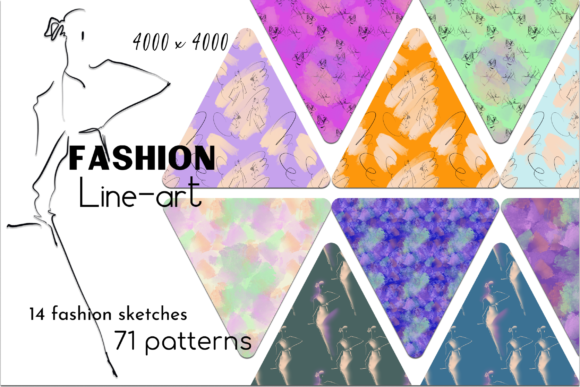
Fashion sketches and patterns form the visual foundation of the entire apparel industry, bridging the gap between a creative idea and a finished garment. Whether you are a designer sketching a seasonal collection, a small business owner planning a product line, or a hobbyist exploring garment construction, these visual tools help you communicate shape, structure, color, and detail before a single piece of fabric is cut. What makes this moment particularly exciting is the availability of high-quality digital assets—transparent PNG fashion sketches, 71 fashion patterns with backgrounds, and 23 files containing compositions and mockups—all at 4000 x 4000 pixels. When combined with trend forecasts from leading agencies about colors that will define the coming year, these resources become powerful instruments for anyone working in fashion.
What Fashion Sketches and Patterns Represent
At its core, a fashion sketch is a simplified drawing that captures the silhouette, proportions, and design details of a garment. These are not necessarily polished illustrations; they can be rough concept drawings or refined renderings intended for client presentations or production specs. Patterns, on the other hand, refer to two-dimensional templates used to cut fabric pieces that will be assembled into a three-dimensional garment. In the context of digital design and merchandising, "fashion patterns" also refers to repeating graphic motifs—florals, geometrics, abstracts, and textures—that are applied to fabric surfaces.
The bundle described here combines both meanings. You get fashion sketches on transparent backgrounds, ready to be layered into lookbooks, mood boards, or tech packs. You also get 71 fashion patterns with backgrounds, plus transparent PNG versions that can be placed over sketches or mockups. The 23 composition and mockup files allow you to see how sketches and patterns work together in a finished presentation, saving hours of layout work. This combination matters because it addresses two distinct creative needs: the need to design the garment's structure and the need to visualize its surface treatment and color.
Why Color Trends Matter for Sketches and Patterns
Leading agencies such as WGSN, Pantone, and the Color Council publish seasonal color forecasts that influence everything from high-end runway collections to mass-market retail. Colors that will be fashionable next year are not random guesses—they are based on cultural shifts, consumer sentiment, economic conditions, and even technological developments. For example, a shift toward calming, nature-inspired hues might reflect a collective desire for stability, while bold, saturated colors signal optimism and energy.
When you incorporate these forecasted colors into your fashion sketches and patterns, you increase the commercial relevance of your work. A sketch that uses next season's palette feels current and intentional, whether you are presenting it to a buyer, sharing it on social media, or using it as a reference for your own sewing projects. The same applies to patterns: a geometric print in a trending color combination will resonate more strongly with consumers who are already seeing those hues in stores and magazines.
How Different Audiences Approach Fashion Sketches and Patterns
Not everyone comes to this topic with the same goals or experience level. Understanding how different people use sketches and patterns can help you decide what matters most for your own situation.
Beginners and hobbyists often want simplicity and visual inspiration more than technical precision. If you are new to fashion design or garment sewing, a collection of ready-made sketches on transparent backgrounds lets you experiment with color combinations without needing to master figure drawing first. You can download a sketch, color it digitally using a forecasted palette, and immediately see how the garment might look. The 4000 x 4000 pixel resolution means you can zoom in on details without losing clarity, which is helpful when you are learning how specific design elements—like sleeve shapes, necklines, or seam lines—affect the overall silhouette. The patterns with backgrounds also serve as instant fabric swatches: you can place a floral or geometric repeat over a dress sketch to see how the print interacts with the garment shape.
Experienced creators and professionals tend to prioritize flexibility and precision. If you are a freelance designer or a small brand owner, you may need sketches that can be edited, relayered, and adapted for different clients or collections. Transparent PNG files are ideal because they separate the figure from the background, allowing you to place the sketch into any presentation template, mood board, or tech pack. The composition and mockup files save production time—instead of building each layout from scratch, you have pre-arranged scenes that show sketches with fabric patterns, color swatches, and even model silhouettes. For someone who bills by the hour or works under tight deadlines, this speed is a direct commercial advantage.
Educators and workshop facilitators look for clarity and reproducibility. If you teach fashion design, pattern making, or textile design, having a consistent set of sketches and patterns means your students can focus on learning concepts rather than struggling with inconsistent visual references. You might use the transparent sketches to create worksheets where students practice applying color trends, or use the pattern files to demonstrate how repeats work on different garment shapes. The high resolution is useful for projecting on a screen or printing at large sizes without pixelation. Because the files are provided as PNGs, they work across different software platforms—Photoshop, Procreate, Canva, even presentation tools like PowerPoint or Keynote—so students can use whatever tools they already have.
Business owners and marketers care most about presentation and commercial viability. If you are launching a small clothing line or creating content for a fashion blog or social media channel, you need visuals that look polished and on-trend. Using sketches colored with next year's palette signals that your brand is aware of current fashion directions. The mockup files are especially valuable here: instead of photographing samples or hiring models, you can superimpose your designs onto pre-made compositions that look like editorial lookbook pages. This reduces the cost of content creation while maintaining a professional appearance. For e-commerce, having transparent sketches means you can isolate a garment and place it on different background colors, which is useful for A/B testing product images or creating cohesive collection pages.
Practical Examples for Different Readers
To make this more concrete, consider a few scenarios.
You are a freelance designer pitching a capsule collection to a boutique buyer. You have three days to prepare a presentation. Instead of sketching each garment from scratch, you select five transparent sketches from the bundle that match your intended silhouettes. You then apply color from a trend report—say, a soft sage green, a warm terracotta, and a muted lavender—and fill the garment areas in your design software. For each sketch, you also place one of the 71 patterns onto the fabric area to show how a floral or stripe would look. Finally, you drop the completed sketches into one of the 23 mockup layouts, add your brand logo and color swatches, and export a professional lookbook. What would have taken a week now takes an afternoon.
You are a hobbyist who enjoys sewing your own clothes. You follow fashion blogs but do not have formal design training. You download a few transparent sketches and print them on paper. Using colored pencils or markers, you experiment with color combinations you saw in a trend article—maybe a deep burgundy paired with a dusty pink. Once you settle on a combination you like, you use the sketch as a reference to select fabric from your stash or to shop for material. The pattern files with backgrounds help you decide whether you want a solid fabric or a print for your project. You are not selling anything; you are simply enjoying the creative process and making clothes that feel current to you.
You are a fashion educator preparing a workshop on color forecasting. You need visual examples that show how the same garment shape changes depending on the colors and patterns applied. You choose a single transparent sketch and duplicate it several times. On each copy, you apply a different forecasted color scheme. You also swap the fabric pattern from the bundle to demonstrate how a geometric print reads differently than a botanical one. Your students can see in real time that the silhouette stays the same, but the emotional and commercial feel shifts entirely. This exercise helps them understand why color and pattern selection is just as important as garment construction.
You are a small brand owner launching a seasonal line. You need consistent visuals for your website, social media, and lookbook. Using the mockup files, you create a series of posts that show your designs in lifestyle compositions—maybe a dress on a hanger, a close-up of fabric texture, or a flat lay with accessories. Because the sketches are transparent, you can place them on any background that matches your brand aesthetic. The high resolution ensures your images look sharp on both mobile screens and printed catalogs. You do not need a photoshoot or a design team; you are producing professional-grade content with digital assets and your own creative direction.
Evaluating Whether These Resources Fit Your Needs
Before investing in a bundle of fashion sketches and patterns, consider your primary goal. If you value ease of use and speed, then the transparent PNG format and included mockups are strong advantages. You do not need advanced software skills to drop a sketch into a layout and start experimenting with color. If cost and value are your main concerns, compare the price of this bundle to what you would pay for a single custom sketch from a freelance illustrator or for a subscription to a stock image library. The 71 patterns plus 14 sketches plus 23 mockup files mean you get a large volume of assets in one purchase, and the 4000 x 4000 pixel resolution ensures they remain usable for print and digital presentation alike.
For those focused on creativity and learning value, the bundle provides a low-risk sandbox. You can try color combinations you would not normally choose, apply patterns to silhouettes you have never worked with, and build confidence in your design intuition. If commercial value drives your decision, ask yourself whether you need to produce client-ready presentations or product images regularly. If the answer is yes, having a library of consistent, high-quality sketches and patterns saves time and money over the long run.
Long-term usefulness depends on how you work. Because the files are PNGs with transparent backgrounds, they are software-agnostic and can be stored, archived, and reused for years. Trend colors change every season, but the sketches and patterns themselves remain timeless templates. You can update the colors each year based on new forecasts, which means the assets do not become obsolete.
Making the Most of Fashion Sketches and Patterns
To get the best results, treat these files as building blocks rather than finished products. Start by reviewing the sketches and identifying which silhouettes match your current project or interest. Then look at the pattern files and think about how each pattern would interact with the garment shape—a large-scale floral might overwhelm a small bodice, while a narrow stripe could add elongation. Use the trend colors as a guide, but do not be afraid to adapt them to your own context. If you are designing for a specific customer base, consider what colors resonate with them even if those colors are not in the mainstream forecast.
The composition and mockup files are particularly useful if you struggle with layout or presentation design. They offer a starting point that you can customize rather than a blank page. Over time, you may develop your own templates based on the ones provided, mixing and matching sketches, patterns, and backgrounds to create a signature style.
Fashion sketches and patterns are not just for professionals with formal training. With the right assets, anyone can explore garment design, experiment with color, and produce visuals that look intentional and contemporary. The combination of transparent sketches, patterned backgrounds, and pre-built mockups makes this approach accessible whether you are sketching for fun, for study, or for business. And when you align your work with the colors that leading agencies predict for next year, you ensure that your designs feel fresh, relevant, and connected to the broader fashion conversation.