Geometric Shape Seamless Patterns: Versatile Design Elements for Creative Projects
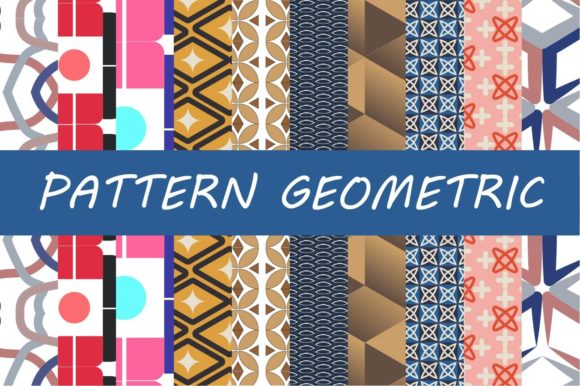
When you browse design resources, few options offer the combination of structure, repeatability, and visual interest that patterns geometric shape seamless designs provide. These repeating motifs, built from circles, triangles, hexagons, lines, and other geometric forms, have become a staple for designers working across print and digital media. At Rhetorika Studio, the collection of seamless geometric patterns offers a practical starting point for projects ranging from event invitations to product packaging. But understanding what makes these patterns distinct, how they compare with other design approaches, and where they fit best is essential for making informed creative decisions.
What Defines a Geometric Shape Seamless Pattern
A seamless pattern repeats endlessly without visible seams or breaks. When combined with geometric shapes, the result is a structured, mathematically balanced design that can tile across any surface. Unlike organic or freeform patterns, geometric seamless designs rely on precision, symmetry, and repeating angles. This makes them particularly well-suited for projects where consistency and clean lines matter.
Patterns geometric shape seamless designs from Rhetorika Studio are delivered as EPS 10 and AI files, which means they remain fully editable and scalable. You can resize them without losing quality, change colors, rotate elements, or combine multiple patterns. This flexibility is one of the main reasons designers choose vector-based geometric patterns over raster alternatives. The file format itself becomes a decision factor: if you need crisp edges at any size, vector geometric patterns are nearly always the better choice.
Comparing Geometric Seamless Patterns with Alternative Design Approaches
To evaluate whether a geometric seamless pattern is right for your project, it helps to place it alongside other common pattern styles. Each approach carries its own strengths, limitations, and best-fit scenarios.
Geometric Patterns Versus Organic or Floral Patterns
Organic patterns, such as those inspired by leaves, water, or natural textures, offer randomness and softness. They feel inviting, warm, and natural. In contrast, patterns geometric shape seamless designs feel deliberate, orderly, and modern. If your project leans toward minimalism, tech, architecture, or contemporary branding, geometric patterns typically communicate that tone more effectively. For wedding invitations with a rustic or garden theme, floral patterns may serve better. The key tradeoff is intention: geometric shapes signal control and precision, while organic shapes signal flow and spontaneity.
Seamless Versus Tiled or Static Patterns
Not all repeating patterns are truly seamless. Some designs tile with visible boundaries, which can work for digital backgrounds but look unprofessional on physical products like wrapping paper or fabric. A true seamless pattern, like those in the Rhetorika Studio collection, ensures the motif flows continuously. This matters most when the pattern covers large surfaces or wraps around objects. For small items like bottle caps or magnets, a simple tile may suffice. But for T-shirt designs, cell phone covers, or book covers, seamless repetition creates a polished, finished appearance.
Vector Versus Raster Patterns
Raster patterns are made of pixels and lose quality when scaled up. Vector patterns are built from mathematical paths and remain sharp at any size. Patterns geometric shape seamless delivered as EPS 10 and AI files are vector-based, making them ideal for both small-scale projects like business cards and large-scale applications like posters or website backgrounds. If you work primarily in print or need to output at varying sizes, vector geometric patterns offer clear advantages. For quick social media graphics where resolution is fixed, raster could be simpler, but you lose future flexibility.
Strengths of Geometric Shape Seamless Patterns
Understanding what these patterns do well helps you identify where they fit naturally into your workflow.
- Repeatability without interruption – Because the pattern is mathematically seamless, it works across large surfaces, wraparound designs, and multi-page documents without awkward breaks.
- Scalability across media – A single geometric pattern can appear on a small invitation card and also on a large banner without rework or quality loss.
- Color adaptability – Vector files let you recolor elements quickly, which is useful when you need to match brand colors or create variations for different product lines.
- Modern, clean aesthetic – Geometric shapes naturally convey structure, professionalism, and contemporary style. They suit branding, tech products, architectural themes, and minimalist presentations.
- Versatility across applications – From digital albums and website backgrounds to physical items like T-shirts and bottle caps, geometric patterns adapt to diverse substrates and formats.
Limitations and Tradeoffs to Consider
No design resource is universally perfect. Patterns geometric shape seamless designs have boundaries that matter depending on your project goals.
Visual monotony – Because geometric patterns are based on repetition of simple shapes, they can feel repetitive or cold if used without contrast. Pairing a geometric background with a bold typographic element or a photographic focal point often solves this. If your project needs warmth or emotional depth, consider layering the pattern with textures or using it as an accent rather than the main visual.
Limited organic appeal – For nature-themed, handcrafted, or highly personal projects, geometric patterns may feel too rigid. Hand-drawn or organic patterns often communicate authenticity and personality more directly. The decision depends on whether your audience expects structure or spontaneity.
File format requirements – EPS 10 and AI files require vector editing software like Adobe Illustrator or compatible alternatives. If you do not have access to such tools, you may need to convert files or work within a different format. However, many design platforms now support vector imports, and once placed, the patterns function like any other graphic element.
Overuse in certain niches – Geometric patterns are widely used in modern branding, tech, and event design. If your goal is to stand out visually, a geometric pattern may blend in rather than differentiate. In those cases, custom pattern creation or combining geometric shapes with unexpected colors or textures can help maintain distinctiveness.
When Patterns Geometric Shape Seamless Design Is the Right Choice
Certain projects naturally align with the strengths of geometric seamless patterns. Recognizing these scenarios helps you decide quickly and confidently.
Invitations and event stationery – For corporate events, product launches, modern weddings, or gallery openings, geometric patterns add sophistication without distracting from the text. They work well as background elements, borders, or envelope liners.
Product packaging and labels – Bottle caps, box wraps, and product labels benefit from seamless patterns that wrap around curved or irregular surfaces. Geometric motifs reinforce brand identity when colors and shapes align with your visual guidelines.
Apparel and merchandise – T-shirts, tote bags, and hats with geometric patterns appeal to audiences who appreciate clean, contemporary design. The seamless repeat ensures the pattern looks intentional across the garment rather than like a single placed graphic.
Digital products and interfaces – Cell phone covers, website backgrounds, digital album covers, and social media templates all benefit from scalable vector patterns. A seamless geometric background can unify a digital product line while keeping file sizes manageable.
Print collateral – Business cards, book covers, magnets, and paper crafts often require precise, repeatable designs. Geometric seamless patterns give you control over placement and scaling, which is harder to achieve with abstract or photographic patterns.
When You May Need a Different Approach
Alternatives to geometric seamless patterns make sense in several situations. If your project requires a handcrafted feel, consider patterns with irregular strokes, watercolor textures, or scanned natural materials. For highly feminine or romantic themes, floral or lace patterns often connect better with the audience. If brand identity calls for maximalism or eclectic style, layered patterns with mixed motifs may serve you better than clean geometric repeats.
Budget and timeline also matter. Pre-made patterns geometric shape seamless designs from Rhetorika Studio are ready to use, which saves time compared to custom creation. However, if your client specifically requires an original pattern that no one else can access, custom design is the only route. Pre-made patterns offer efficiency and quality at a lower cost, but they trade exclusivity for accessibility.
Practical Examples Across Applications
Seeing how geometric seamless patterns function in real projects clarifies their value. Imagine designing a series of wine bottle labels. A geometric pattern based on repeating triangles in muted gold and navy creates a premium feel that scales across different bottle sizes. The seamless nature ensures the pattern aligns consistently around the bottle body. Compare this with a photographic label, which may warp or show edges when wrapped around curved glass.
For a tech startup's website background, a subtle hexagonal seamless pattern communicates innovation and connectivity. Because the pattern is vector-based, it loads quickly and scales cleanly from mobile screens to large desktop displays. An organic pattern in the same context might feel less aligned with the brand's focus on precision and technology.
In event design, geometric patterns work well for save-the-date cards, menu cards, and place settings. They unify the print suite without overwhelming the content. If the event has a natural or outdoor theme, however, a pattern geometric shape seamless design may feel out of place compared to botanical or landscape-inspired motifs.
Decision Factors for Choosing Geometric Seamless Patterns
When evaluating whether patterns geometric shape seamless designs fit your project, consider these factors:
- Project tone and audience – Does the audience respond to modern, structured visuals, or do they prefer organic, handcrafted aesthetics?
- Application surface and scale – Will the pattern appear on small items, large surfaces, or both? Seamless vector patterns handle all sizes well.
- Required file formats – Can you work with EPS 10 or AI files? Do you need software to edit colors or elements?
- Desired level of customization – Pre-made patterns offer speed and quality; custom patterns offer uniqueness. Decide based on timeline and budget.
- Brand consistency – Does the geometric style align with existing brand materials? If your visual identity uses curves and organic shapes, a geometric pattern may clash unless carefully integrated.
Making the Most of Geometric Seamless Patterns in Your Workflow
Patterns geometric shape seamless designs, such as those available from Rhetorika Studio, are tools that reward thoughtful use. They are not a universal solution, but they are remarkably versatile when matched with the right project. By understanding their strengths—repeatability, scalability, clean aesthetics—and their limitations—potential monotony, rigidity for certain themes—you can deploy them where they add the most value.
Begin by identifying the core function of the pattern in your design. Is it a background that supports other elements? Is it a primary visual that sets the mood? Is it a decorative accent? Your answer determines how much visual weight the pattern carries and whether geometric precision supports or competes with your message.
Experiment with color variation and scale. A pattern that feels busy at full size may become elegant when reduced. A pale version of a geometric pattern can serve as a subtle texture behind text, while a bold version can anchor a product's visual identity. Because vector files allow easy edits, you can test multiple iterations without starting from scratch.
Ultimately, the decision to use patterns geometric shape seamless designs comes down to fit. When your project needs structure, consistency, and modern appeal, these patterns deliver. When your project calls for warmth, randomness, or handcrafted character, other options may serve better. The key is to evaluate each project on its own terms and choose the tool that aligns with your goals, audience, and production requirements.