Hand Drawn Valentines Seamless Patterns: A Practical Guide to Getting the Most from Your PNG Set
You have a creative project in mind. Maybe it is a batch of Valentine cards, a set of custom stickers, or a special gift for someone. When you search for design resources, you come across hand drawn valentines seamless patterns. They look charming at first glance, soft and romantic, with the kind of texture that only hand-drawn art can bring. But choosing the right set and using it well is not always straightforward. Many creators jump in, download files, and then run into problems that slow them down or reduce the quality of their finished work. Let us walk through what you need to know so you can avoid those headaches and make your project shine.
What Makes Hand Drawn Valentines Seamless Patterns Different
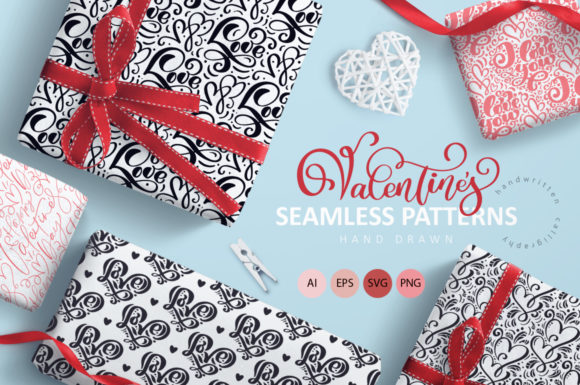
Hand drawn valentines seamless patterns are not your typical digital graphics. Each line carries the warmth of manual illustration, the slight imperfection that makes art feel personal. When you have a set that includes both transparent background PNGs and color background PNGs, you gain flexibility. The transparent files let you layer designs over any backdrop, while the color versions give you an instant finished look. This combination is powerful for projects like scrapbooking, card making, wall decor, signs, stickers, decals, t-shirts, tote bags, and cutting machine projects with Cricut or Silhouette. But the key is knowing how to match each file type to the right use case.
Overlooked Details That Cause Frustration
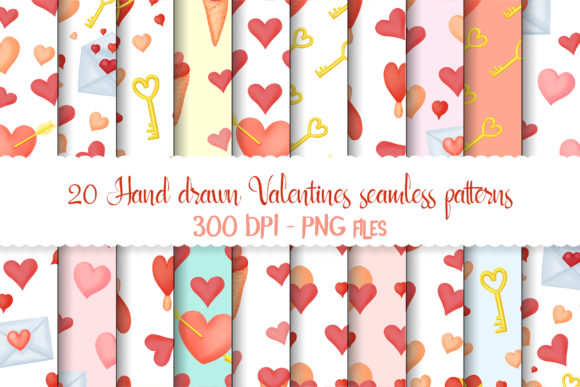
The most common mistake is not checking resolution before starting a project. A set may advertise high quality, but you need to confirm what that means. With hand drawn valentines seamless patterns, you want 300 dpi images. That ensures crisp lines when you print at full size. If you use lower-resolution files, the hand-drawn texture turns blurry, and the very charm you wanted gets lost. Always verify the dpi specification before you buy or download. A good set will clearly state it, and a reliable set includes exactly what you need: ten PNG files on transparent backgrounds at 300 dpi, and ten PNG files on color backgrounds at the same high resolution.
Transparent Background PNGs: Where They Work Best
Beginners often think that transparent PNGs are for everything. They are versatile, yes, but they shine in specific situations. Use the transparent files when you want to place the pattern over a dark surface, a photograph, or any colored paper that is not plain white. They let the underlying material show through. This is ideal for scrapbooking where you mix patterns and photos, or for card making where you want the cardstock color to become part of the design. However, if your project involves a white background anyway, using a transparent file adds unnecessary complexity. You need to keep the layer order clear in your software. The color background versions save you that step.
Color Background PNGs: The Time-Saver
Experienced creators understand that the color background PNGs are not a fallback. They are a strategic choice. When you are working on a project that demands a white or solid background, these files are ready to go. No extra steps. No need to add a white rectangle behind the pattern. This is especially helpful when you are working with cutting machines like Cricut or Silhouette. The color background files print exactly as you see them, and you can cut around the pattern shapes without worrying about transparency edges. Many enthusiasts make the mistake of always using transparent files, then wonder why their prints have faint gray borders or why the cut lines misalign. Using the color background versions for the right job eliminates these issues.
Common Misunderstandings About Seamless Patterns
Another area where people get tripped up is the actual seamless quality. Not all patterns labeled seamless truly repeat without visible seams. With hand drawn valentines seamless patterns, you want to see a continuous flow of hearts, flowers, swirls, and doodles. Before committing to a set, look at a sample tile. If you can spot where one tile ends and the next begins, the design will not work for large surfaces like wall decor or tote bags. A well-made pattern hides its repeats naturally. The hand-drawn style actually helps here, because organic lines disguise edges better than rigid geometric shapes.
Mismatching the Pattern Scale to Your Project
Scale is another overlooked factor. A pattern that looks lovely on your screen may feel too large or too tiny when printed. For a greeting card, a small-scale pattern provides a delicate background that does not overwhelm the message. For a tote bag or a sign, a larger scale makes the hand-drawn details visible from a distance. When you buy a set of hand drawn valentines seamless patterns, check whether the files allow you to resize without losing quality. At 300 dpi, you have room to adjust, but extreme scaling can still cause issues. Test print a small section before committing to the final product.
Practical Advice for Different Users
If you are a hobbyist working on scrapbooking or card making, start with the color background files. They require no software adjustments. Print them directly on your home printer, cut them out, and layer them with your photos and embellishments. The hand-drawn character adds a personal touch that store-bought papers cannot match. Keep the transparent files for when you want to place the pattern over a specific colored paper that you already own.
For small business owners creating stickers, decals, or t-shirt designs, the transparent PNGs are your primary tool. You can load them into your design software, overlay them on product mockups, and send them to print. Just make sure your software settings preserve the 300 dpi. Many designers accidentally downsample images when they import them into templates. Check your resolution before you export. The color background files work well for product listings, where you need a clean, consistent look on a white background. Use them for your shop images to maintain a professional appearance.
Cricut and Silhouette users have a specific workflow. Import the transparent PNG into your cutting software. Use the trace or select tool to choose the pattern shapes you want to cut. The hand drawn lines may have subtle variations in thickness, so adjust your cut settings accordingly. Test on scrap material first. The color background files are better suited for print-then-cut projects, where you print the pattern and let the machine cut around it. This saves time and reduces waste.
What to Check Before You Buy or Download
Before you invest in hand drawn valentines seamless patterns, look for a few key details. First, confirm the file count. A complete set offers ten transparent PNGs and ten color background PNGs, all at 300 dpi. Some sellers list fewer files or mix resolutions. Read the description carefully. Second, check the variety of motifs. Does the set include different heart styles, floral elements, and enough visual interest for multiple projects? A good set gives you range without repeating the same pattern in different colors. Third, see if there is a preview tile that shows the seamless repeat. If the seller hides this, ask or look for reviews that show real usage.
Licensing and Usage Rights
Many creators forget to check licensing until after they have used the design commercially. If you plan to sell items made with these patterns, such as cards on Etsy or t-shirts at a local market, you need a commercial license. Personal use sets are fine for gifts and home decor, but they do not cover resale. The best sets clearly state the license terms in the description. Look for a license that covers small business use without complicated restrictions. This is where beginners often get caught. You create a beautiful product, only to find you cannot legally sell it. Avoid that disappointment by reading the terms first.
Making the Patterns Work for You
Once you have your set, experiment with both file types. Do not assume one is superior to the other. They complement each other. Use the transparent files for layered digital compositions and the color background files for quick, no-fuss printing. Mix them in the same project. For example, use a transparent pattern as a background layer in a card, then add a color-background element as a focal point. The hand-drawn consistency ties everything together.
Storage and Organization
Keep your files organized by naming them clearly. A typical set might include names like hearts_swirls_transparent.png and hearts_swirls_white.png. If the file names are generic, rename them yourself. This saves time when you are in the middle of a project and need to find the exact pattern. Store them in a dedicated folder on your computer or cloud drive. Back them up. These patterns are tools, and like any good tool, you want them ready when inspiration strikes.
Final Thoughts on Getting the Best Results
Hand drawn valentines seamless patterns offer a unique blend of artistry and practicality. The charm lies in the hand-drawn quality, the slight unevenness that feels human. But that charm only translates into your finished project when you use the files correctly. Check resolution, match the file type to the purpose, scale appropriately, and always verify licensing. Avoid the common mistake of treating all PNGs the same. The transparent and color background versions each have their place. Use them both, and you will have more creative freedom, fewer technical hiccups, and a final product that looks exactly as you imagined. Whether you are making a dozen Valentine cards for friends, a custom tote bag for your shop, or a scrapbook page that captures a memory, the right patterns make the work easier and the result more beautiful. Take a few minutes to choose wisely, and you will enjoy the process from start to finish.