Ornamental Mandala Retro Patterns: A Deep Dive into Design, Utility, and Creative Application
The revival of vintage aesthetics in modern design has brought ornamental mandala retro patterns back into the spotlight. These intricate, circular designs, rooted in ancient spiritual and artistic traditions, now find themselves reinterpreted through a retro lens—blending the symmetry of classic mandalas with the color palettes, textures, and motifs of mid-century, bohemian, and psychedelic eras. For designers, educators, business owners, and hobbyists, understanding the nuances of these patterns goes beyond mere decoration. It involves grasping their structural logic, their practical file formats, and the vast range of real-world contexts where they add value.
What Defines an Ornamental Mandala Retro Pattern?
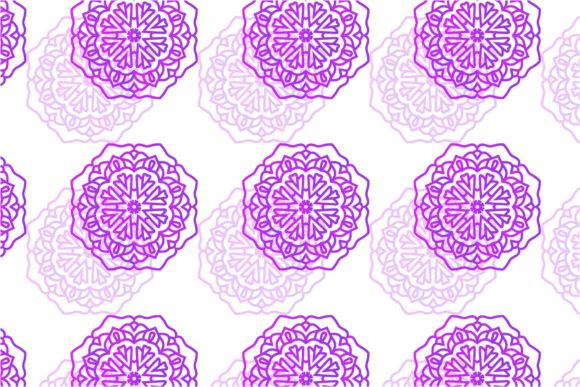
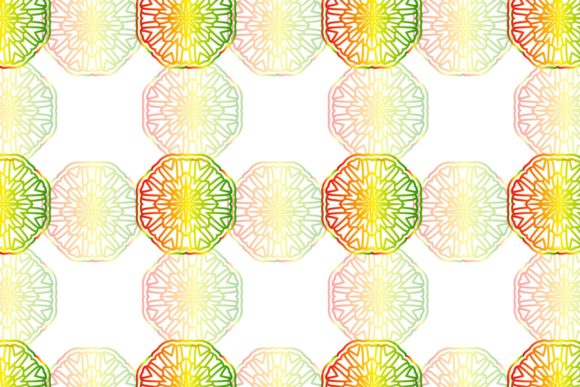
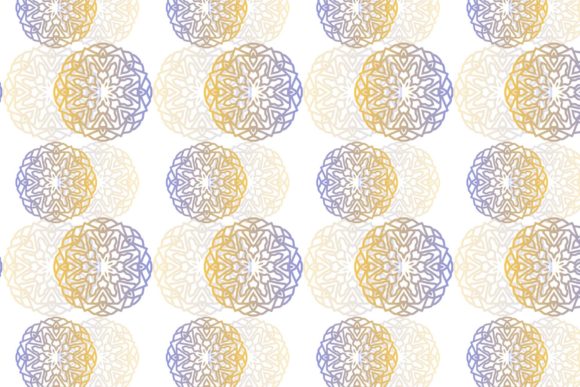
At its core, a mandala is a geometric configuration of symbols, often arranged in concentric circles. When we add the "retro" modifier, we introduce specific stylistic cues: muted earth tones, warm ochres, faded teals, cornsilk yellows, and terracotta reds. The ornamentation becomes denser, often incorporating floral flourishes, scalloped edges, repeating dots, and linework that echoes the hand-drawn quality of vintage print media. Unlike minimalist modern mandalas, retro versions embrace complexity and a slight imperfection that feels human and nostalgic.
These patterns frequently draw inspiration from 1960s and 1970s textile designs, Eastern spiritual iconography filtered through Western bohemianism, and the decorative borders found in antique books and manuscripts. The result is a visual language that feels both timeless and distinctly tied to a specific cultural moment.
The Anatomy of a Retro Mandala: Key Visual Elements
- Concentric radial symmetry – The design repeats around a central point, creating a hypnotic, balanced composition.
- Vintage color schemes – Think avocado green, burnt orange, mustard yellow, and dusty rose, often against cream or parchment-like backgrounds.
- Organic linework – Curved, flowing lines that mimic hand-drawn ink or screen-printed textures.
- Motif layering – Petals, leaves, geometric stars, and dots stacked in repeating rings.
- Borders and frames – Many retro mandalas function as standalone ornaments or frame elements, suitable for certificates, posters, or packaging.
Practical Value Across Different User Groups
The versatility of ornamental mandala retro patterns means they serve distinct purposes depending on who is using them. Below are several perspectives that illustrate their broad relevance.
For Graphic Designers and Digital Artists
Designers working on branding, packaging, or editorial layouts often need ready-to-use decorative elements that save time without sacrificing quality. A set of digital files—especially one that includes AI, EPS, and SVG vector formats—allows for seamless scaling, color editing, and integration into larger compositions. The retro mandala can become a background texture, a product label border, or a repeating pattern in a fabric mockup. Because the files are provided at a 1920x1280 px canvas size, they offer enough resolution for web use, social media graphics, and print proofs.
When a designer receives an AI file, they can open it in Adobe Illustrator and tweak every node, change stroke weights, or recolor individual petals. The EPS format serves as a universal vector fallback for older software, while SVG is ideal for web developers who need lightweight, scalable graphics for responsive websites. The inclusion of JPG and PNG raster versions means the pattern can be dropped directly into Photoshop or Canva without any vector editing required.
For Small Business Owners and Entrepreneurs
Businesses that sell physical products—such as candles, journals, tapestries, or tea—often rely on distinctive visual branding. A retro mandala pattern can be the defining element of a product line. For instance, a small batch apothecary brand might use a terracotta-toned mandala on its label to evoke warmth, tradition, and handcrafted quality. Because the files are editable, the business owner can adjust the colors to match their brand palette without hiring a designer for custom work.
E-commerce store owners also benefit from having high-resolution PNG files with transparent backgrounds, allowing them to place the mandala over product photography or use it as a watermark. The SVG format ensures that the pattern remains crisp on retina displays and mobile screens.
For Educators and Researchers
Art teachers and cultural studies educators can use these patterns as teaching aids. The geometric structure of mandalas offers a natural entry point for lessons on symmetry, radial balance, and color theory. By examining a retro mandala, students can explore how cultural symbols travel across time and geography—how a traditional Indian mandala influenced 1970s album cover art, for example. Researchers studying visual culture or the psychology of pattern recognition may also find these designs useful as stimuli in studies about aesthetic preference or nostalgia.
For Hobbyists and DIY Creators
Anyone who enjoys bullet journaling, scrapbooking, or home decor can leverage these digital files. Print the JPG or PNG onto sticker paper to create custom laptop decals, or use the SVG in a cutting machine like a Cricut to make vinyl wall decals. The retro aesthetic pairs well with boho-chic interior design, so hobbyists often use these patterns for pillow covers, framed prints, or gift wrap. The ease of editing means a single mandala can be resized, rotated, or fragmented to fit a specific project.
Workflow Considerations When Using Digital Mandala Files
Understanding how to work with the provided formats can significantly improve your efficiency. Below is a practical breakdown of each file type and its optimal use case.
- AI File (Adobe Illustrator original) – Best for professional vector editing. All layers are preserved, allowing you to hide or modify individual elements. Use this if you need to completely restructure the pattern or extract sub-motifs.
- EPS File (Encapsulated PostScript) – A legacy vector format that opens in most vector editing programs, including CorelDRAW and Affinity Designer. Ideal for users who do not have access to the latest Adobe software.
- SVG File (Scalable Vector Graphics) – Perfect for web development and app design. SVGs are code-based, lightweight, and responsive. You can embed them directly into HTML or use them in React, Figma, or Sketch.
- JPG File (JPEG) – A compressed raster format suitable for quick previews, social media posts, or low-stakes printing. Note that JPG does not support transparency.
- PNG File (Portable Network Graphics) – A raster format with lossless compression and full alpha transparency. Use this for overlaying the pattern on photographs, creating mockups, or printing at high quality.
When editing vector files, pay attention to stroke alignment and fill colors. Retro mandalas often rely on thin, delicate lines that can get lost if scaled down too aggressively. Conversely, scaling up vector files has no quality penalty, so you can use them for large-format banners or murals without pixelation.
Real-World Applications and Emerging Trends
The use of ornamental mandala retro patterns has expanded beyond traditional print media. One notable trend is their integration into digital product design. App developers and UI designers are incorporating subtle mandala patterns into loading screens, background tiles, and onboarding flows to create a sense of warmth and craftsmanship. The retro color palette, in particular, helps brands differentiate themselves from the cold, minimalist interfaces that dominate the tech industry.
In the fashion and textile sector, these patterns are appearing on everything from silk scarves to yoga pants. Print-on-demand services allow independent creators to upload their own mandala designs and sell them on apparel, tote bags, and bedding. The editable nature of the digital files means creators can rapidly iterate on colorways—offering a "sunset" version with warm tones and a "midnight" version with deep indigos and golds.
Another growing application is in the wellness industry. Meditation studios, yoga retreats, and holistic health brands frequently use mandalas as visual anchors for relaxation. A retro mandala, with its soft, earthy colors, can decorate a studio wall, appear on a meditation cushion, or be printed as a coloring sheet for mindfulness activities. The symmetrical, repetitive nature of the pattern naturally encourages focus and calm.
Color Considerations for Different Contexts
While the retro palette is distinctive, it may not suit every brand or project. A tech startup might find that avocado green and mustard yellow clash with its modern, minimalist identity. In such cases, the vector files become especially valuable: you can completely replace the color scheme while preserving the underlying ornamental structure. For example, swapping the warm retro tones for cool blues and silvers transforms the same mandala into a sleek, contemporary graphic. This adaptability is one of the strongest arguments for investing in editable vector formats rather than static raster images.
Technical Quality and Canvas Specifications
The provided digital files are designed on a 1920x1280 pixel canvas, which is a landscape orientation with a 3:2 aspect ratio. This size is compatible with standard HD displays, presentation slides, and many print formats (such as A4 at 300 DPI when cropped). For print projects requiring larger dimensions, the vector formats (AI, EPS, SVG) can be scaled infinitely. For raster formats (JPG, PNG), scaling up beyond the native resolution may introduce softness, so it is advisable to use the vector source for any output exceeding the original canvas size.
When using the PNG file for overlay purposes, the transparent background allows for easy compositing. However, be mindful of intricate details: very fine lines in the mandala may blend into a busy background. To maintain legibility, place the pattern over a solid, neutral area or add a subtle drop shadow to separate it from the underlying image.
Considerations Before Purchasing or Using Retro Mandala Files
Not every project benefits from a retro aesthetic. Evaluate whether the vintage color palette and ornamental complexity align with your target audience. A luxury watch brand might find these patterns too casual, while a craft brewery could find them perfectly suited for a seasonal ale label. Additionally, consider the cultural origins of mandala symbolism. Some communities view mandalas as sacred geometric diagrams with specific spiritual meanings. Using them purely as decoration may be seen as appropriative if not handled with respect. Research the cultural context and, if possible, cite or acknowledge the traditions that inspired the design.
From a practical standpoint, check the licensing terms of the digital files. Some sets allow unlimited commercial use, while others restrict resale of the unaltered pattern. Always confirm what you can and cannot do with the files before incorporating them into products you intend to sell.
Integrating Ornamental Mandala Retro Patterns into Your Workflow
To get the most out of these designs, develop a systematic approach. Start by opening the AI or EPS file in your vector editor and exploring the layer structure. Identify which elements form the core motif and which are decorative additions. If you need a simplified version, you can delete outer rings or reduce the number of repeats. For a more intricate look, duplicate and rotate certain layers to create a denser pattern.
When using the pattern in a layout, treat it as a visual anchor. A single large mandala centered on a page creates a strong focal point, while a tiled pattern in the background adds texture without competing with foreground content. Adjust the opacity to achieve the desired prominence. In print, test the pattern at actual size to ensure the line weights are visible—especially if printing on textured paper that might absorb and blur fine details.
For web use, consider using the SVG format for performance. SVGs are typically smaller in file size than equivalent PNGs and scale perfectly across devices. You can also animate SVG elements using CSS or JavaScript, creating subtle rotating effects that enhance user engagement without heavy GIFs or videos.
Making the Pattern Your Own
The true power of owning editable digital files lies in personalization. Change the stroke colors to match a seasonal palette. Replace floral motifs with geometric ones for a more modern feel. Mirror the mandala horizontally to create a new variation. Combine elements from multiple mandalas to craft a completely original design. Because the files are provided in industry-standard formats, the only limitation is your software skills and creativity.
Whether you are a professional designer building a brand identity, a teacher explaining geometric art, or a hobbyist decorating your living space, ornamental mandala retro patterns offer a rich, flexible resource. Their blend of historical depth, visual complexity, and practical adaptability ensures they remain a staple in the creative toolkit for years to come.