Rose Gold Foil Leopard Patterns for Creators
Rose gold foil leopard patterns offer a striking blend of warmth, edge, and refinement. At first glance, the combination might seem purely decorative—a shimmering surface with a classic animal print. But look closer, and you will find a resource that bridges boldness and subtlety, making it unusually versatile across creative fields. Whether you design for print, build digital content, or craft physical products, these patterns can elevate your work without overwhelming it.
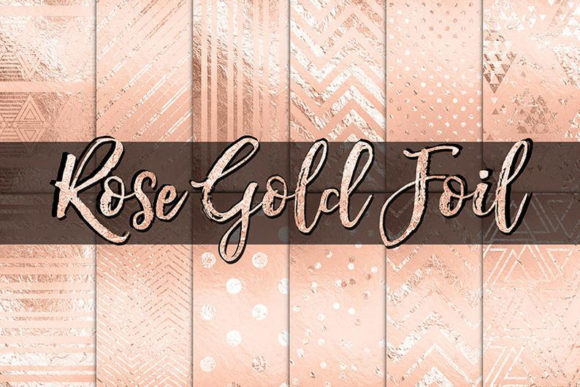
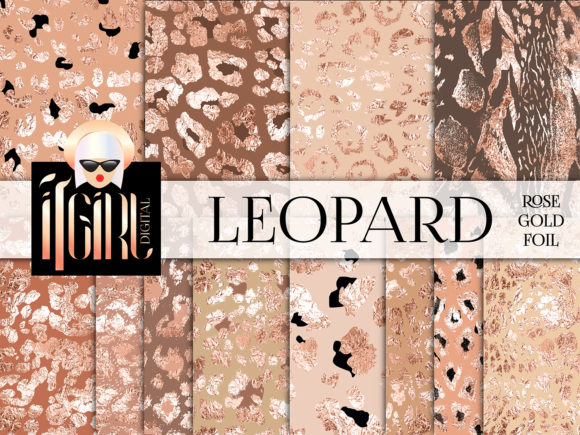
The set delivers twelve high quality 300 DPI JPG files at 12 x 12 inches with 3600 x 3600 pixel resolution. That level of detail matters when you need crisp edges, smooth gradients, and faithful color reproduction. Rose gold itself sits between copper and gold on the spectrum—neither too warm nor too cool—which means it pairs well with neutral palettes as well as deeper, more saturated tones. The leopard motif adds texture and movement, while the foil finish introduces a reflective quality that catches light and draws the eye.
What Makes Rose Gold Foil Leopard Patterns Stand Out
Many animal prints lean toward either wild or overly polished. This set finds a middle ground. The rose gold foil effect softens the natural contrast of leopard spots, creating a surface that feels both organic and curated. The foil appearance is not literal metallic foil—it is a high resolution digital rendering that simulates the look of foil stamping. That distinction is important for creators who want the aesthetic without the cost or complexity of physical foil processes.
The 300 DPI resolution ensures that these patterns remain sharp at full print size. You can scale them down for smaller applications like business cards or invitation details without losing clarity. At 3600 x 3600 pixels, each file gives you room to crop, rotate, or layer while retaining a professional finish. For digital use, the resolution allows for crisp displays on retina screens and large format monitors alike.
Practical Applications Across Creative Roles
Different users will naturally approach these patterns from different angles. Below are several scenarios that show how the same resource can serve distinct goals.
Graphic designers and brand identity work
When building a brand identity, texture and pattern can differentiate a visual system from competitors. Rose gold foil leopard patterns work well as accent elements in packaging design, website backgrounds, or social media templates. For a cosmetics or accessories brand, the pattern can appear on product boxes, tissue paper inserts, or hang tags. The key is restraint—using the pattern in controlled areas rather than covering entire surfaces. A patterned strip along the bottom of a shopping bag or a subtle overlay on a business card can communicate sophistication without shouting.
Consider pairing the pattern with matte black, white, or cream typography. The contrast between flat, solid text and the reflective pattern creates hierarchy and visual interest. For digital branding, use the pattern as a hero section background on a landing page, then reduce opacity so text remains readable. The foil effect adds depth without competing with the message.
Small business owners and product packaging
Small businesses often need packaging that feels premium without a premium budget. Digital patterns like these let you create custom packaging materials at standard print costs. You can upload the files to print on demand services for stickers, labels, boxes, or tissue wrap. A jewelry or accessory brand could use the pattern as a lining inside gift boxes. A candle company might apply it to product labels for a limited edition scent.
The rose gold tone works especially well for products targeting a female or gender neutral audience seeking understated luxury. The leopard pattern itself suggests a subtle wildness, which can align with brands that emphasize individuality or confidence. Because the pattern is digital, you can test different applications quickly—print a small batch of labels, see how the color behaves under store lighting, then adjust before a larger run.
Bloggers and content creators
For blog graphics, social media posts, or video thumbnails, rose gold foil leopard patterns provide a consistent visual anchor. A lifestyle or fashion blogger might use the pattern as a background for quote cards, product flat lays, or story highlights. The foil effect adds a tactile feel even on screen, which encourages engagement. Viewers are more likely to pause on a visually rich image than a plain gradient.
You can also use the pattern as a subtle watermark or frame element. Place the pattern at low opacity behind your blog logo or use a small section as a divider between sections. The goal is to create a recognizable visual signature that ties your content together without distracting from the main subject. Because the files are large, you can crop into specific areas to create unique compositions each time.
Educators and workshop materials
Teachers, online course creators, and workshop facilitators need materials that feel polished but not stiff. The patterns can serve as backgrounds for presentation slides, handout covers, or printable worksheets. For a course on personal style, branding, or design, the pattern reinforces a sense of creativity and attention to detail. Use it sparingly—on the title slide or as a section divider—to keep the focus on content.
The high resolution also means you can print these materials at sizes larger than standard letter or A4. Posters, signage, or tabletop displays for in person events benefit from the crisp detail and cohesive aesthetic. Students and participants notice when materials are well designed, and that perception carries over to your credibility as an instructor.
Creative Directions and Style Variations
The rose gold foil leopard pattern set is not a one size fits all solution, but it is flexible enough to support multiple creative directions. Here are several approaches you can take depending on your project goals.
- Minimal luxury – Use the pattern on a small scale, like an accent stripe or a single element within a larger composition. Pair with clean sans serif type, plenty of white space, and neutral tones. This direction works for wedding stationery, high end product lines, or personal branding.
- Bold contrast – Combine the pattern with deep jewel tones such as emerald, sapphire, or burgundy. The rose gold becomes a highlight against darker backgrounds, creating drama and visual pull. This approach suits event invitations, album covers, or fashion lookbooks.
- Layered texture – Overlay the pattern on photographs or gradient backgrounds using blending modes like Multiply or Overlay. The foil effect interacts with underlying colors, producing unexpected variations. Experiment with opacity and scale to find a combination that feels original.
- Collage and composition – Cut out specific leopard spots or shapes from the pattern and arrange them as standalone design elements. You can create custom icons, borders, or decorative motifs that still carry the rose gold foil look.
How to Keep Results Clear and Effective
Patterns with high visual interest can easily dominate a design. The goal is to use them intentionally, not accidentally. Here are practical guidelines to maintain clarity while still benefiting from the foil leopard aesthetic.
First, control the scale. At full size, the leopard spots are relatively large. If you want a more subtle texture, scale the pattern down so the spots become smaller and less distinct. This transforms the pattern from a recognizable print into a textured surface. For backgrounds, scaling down by 50 to 70 percent often produces a comfortable balance.
Second, manage contrast. The rose gold foil effect creates a reflective appearance that reads as lighter than a solid color. If you place text directly over the pattern, ensure sufficient contrast. A dark font color like charcoal or black works well. For lighter text, add a semi transparent overlay between the pattern and the text to improve readability without losing the pattern entirely.
Third, limit the area of coverage. Using the pattern on an entire page or canvas can feel overwhelming. Instead, designate specific zones: a header strip, a panel, a border, or a focal point. This approach gives the pattern room to breathe and prevents it from competing with other visual elements.
Adapting for Different Platforms and Formats
A single pattern set can serve across print, digital, and social media, but each platform has its own constraints. Understanding those constraints helps you adapt without losing the integrity of the design.
For print, the 300 DPI files are ready to go. Use them for flyers, posters, business cards, product labels, packaging, or fabric printing if you work with textile services. Always request a proof before full production, especially if the rose gold tone is critical to your brand. Printer calibration varies, and the reflective quality of foil simulation can shift on different paper stocks. Matte paper absorbs more ink and softens the foil effect; glossy or coated paper enhances it.
For web and digital, you will likely need to compress the files to reasonable load sizes. The original 3600 x 3600 pixel files are unnecessary for screen display. Resize and export at 72 DPI, keeping dimensions appropriate for your use case. A hero image might need 1920 pixels wide; a social post might need 1080 x 1080. The pattern will still retain its detail at these sizes because the original resolution is so high. For video backgrounds, import the pattern into your editing software and adjust opacity or motion blur to create a subtle animated effect.
For social media templates, consistency across posts builds recognition. Create a set of templates that use the pattern in the same position—such as the top third of an Instagram story or the left margin of a Pinterest pin. Followers will begin to associate that visual cue with your content. The pattern becomes part of your visual identity rather than a one time decoration.
Practical Inspiration to Get Started
Sometimes the hardest part is deciding where to begin. Here are a few low commitment ways to test the rose gold foil leopard patterns in your own work.
- Create a set of three social media quote cards using the pattern as the background at 30 percent opacity. Use the same font for all three to maintain consistency.
- Design a single product label. Print it, apply it to a plain box or jar, and evaluate how the pattern reads in real light. Adjust scale or color balance before designing additional labels.
- Build a simple website hero section with the pattern as a full width background. Add a dark gradient overlay on the left side and place your headline text there. This gives you a striking visual without compromising readability.
- Crop a small section of the pattern and use it as a profile picture frame or thumbnail border. This is a fast way to test audience reaction without committing to a full design overhaul.
Each of these tests takes less than an hour but gives you real feedback on how the pattern performs in context. You can then scale up based on what works.
Balancing Originality with Consistency
One risk with any popular pattern style is that it can look generic if used without personalization. The rose gold foil leopard pattern is a tool, not a finished product. What makes it original is how you integrate it into your existing visual language. Pair it with your own color palette, typography, photography style, and layout conventions. The pattern should feel like it belongs to your brand, not like a stock element dropped into place.
Consistency comes from repetition. When you use the pattern across multiple touchpoints—website, packaging, social media, print materials—it builds a cohesive experience. But consistency does not mean identical usage. Vary the scale, crop, or placement so each application feels fresh while still being recognizable. A pattern used flexibly within a consistent system creates a professional, thoughtful impression.
For freelancers and small business owners, this balance is especially important. You do not have the resources of a large agency to produce endless variations, so a versatile pattern set lets you achieve variety from a single source. Twelve files give you enough range to rotate applications without repeating the exact same look.
Final Thoughts on Working with the Pattern
Rose gold foil leopard patterns occupy a sweet spot in the design landscape. They are decorative enough to add visual interest, but restrained enough to work in professional contexts. The twelve file set gives you options for scale, orientation, and application, while the high resolution ensures quality across both print and digital use.
The most effective approach is to start small, test in real conditions, and build outward. Whether you are a designer refining a brand system, a small business owner launching a product line, or a content creator establishing a visual identity, these patterns offer a flexible foundation. Let the material guide your decisions, but let your unique context shape the final result.