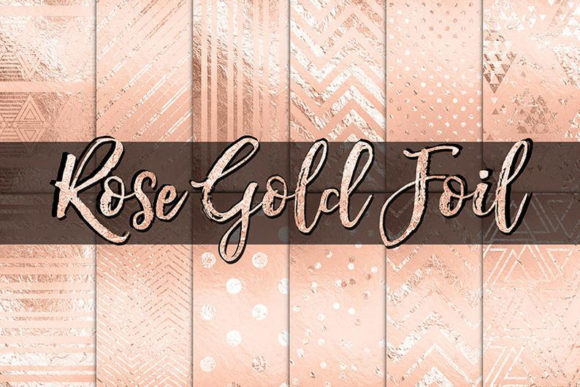
Rose Gold Foil Patterns for Modern Creative Projects
Rose gold has become a defining accent in contemporary design, bridging the warmth of copper with the subtle sophistication of gold. When translated into foil patterns, this finish offers a versatile texture that works across print, digital, and product design. Whether you are building a brand identity, designing wedding stationery, or creating social media visuals, Rose Gold Foil Patterns provide a polished foundation that elevates your work without overwhelming it.
This article explores what these patterns offer, who benefits most from them, and how they can help you achieve better results in your creative and professional projects. You will also learn practical ways to integrate them into your workflow, along with considerations to help you decide if they fit your specific needs.
What Rose Gold Foil Patterns Bring to Your Work
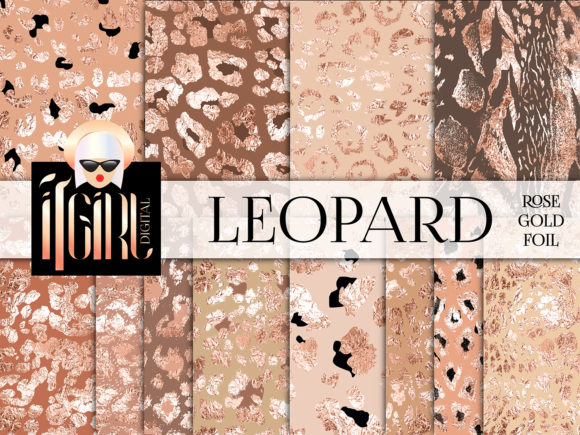
Foil patterns replicate the reflective, metallic look of foil stamping, a technique commonly used in print design to add a premium feel. Rose Gold Foil Patterns capture that same richness but in a flexible digital format. Instead of relying on expensive printing processes for every iteration, you can apply these patterns directly within your software, maintain full control over placement and scaling, and repurpose them across different projects with minimal effort.
Each file in the set comes as a high quality 300 DPI 12 x 12 3600 x 3600 JPEG, meaning you get consistent resolution and color depth across all twelve patterns. This uniformity simplifies your design process: you know exactly what you are working with, and you do not need to adjust settings or worry about quality loss when using them in standard print or digital layouts.
Practical Benefits for Everyday Design Work
When you are facing a tight deadline or juggling multiple client requests, having ready-to-use assets can make a significant difference. Rose Gold Foil Patterns eliminate the need to create metallic textures from scratch, saving you hours of trial and error. Instead, you can drop a pattern into your composition, adjust opacity or blend mode as needed, and move on to refining other aspects of your design.
This efficiency is especially valuable for small business owners and freelancers who handle both creative work and operations. If you are designing product packaging, a brochure, or a social media campaign, these patterns help you maintain a consistent aesthetic across all touchpoints without investing extra time in texture development.
Who Benefits Most from These Patterns
While Rose Gold Foil Patterns appeal to a broad audience, certain professionals and creators will find them particularly useful.
- Graphic designers and branding specialists can use the patterns as backgrounds, accent elements, or texture overlays to add depth to logos, business cards, and brand collateral. The metallic effect often gives a more finished, premium feel to materials that might otherwise appear flat.
- Wedding and event planners frequently need elegant, cohesive visuals for invitations, save-the-dates, programs, and signage. Rose gold complements many popular color palettes, including blush, ivory, navy, and green, making these patterns a natural fit for romantic or upscale events.
- Social media marketers and content creators can apply the patterns to highlight reels, quote graphics, product shots, or story backgrounds. The reflective quality tends to catch attention in feeds, which can help improve engagement metrics over time.
- Educators and bloggers creating course materials, workbooks, or digital products can use these patterns to make their resources more visually appealing without needing advanced design skills. A subtle metallic background can transform a simple PDF into a product that feels more valuable.
- Print-on-demand sellers and product designers working on mugs, notebooks, phone cases, or wall art can integrate the patterns directly into their mockups or final designs, reducing the need for multiple revisions.
How These Patterns Support Creativity and Consistency
One of the less obvious advantages of working with a cohesive set like this is the freedom it gives you to experiment. Because all twelve patterns share a consistent color treatment and foil effect, you can mix and match them within a single project without creating visual dissonance. This means you can use a subtle foil texture for the main background and a more pronounced pattern for an accent panel, knowing the two will feel connected.
For creative professionals, this consistency reduces decision fatigue. Instead of hunting for compatible textures across different sources, you have everything you need in one folder. The 12 x 12 inch canvas at 3600 x 3600 pixels also gives you room to scale the pattern up or down for different applications, from a full-page background to a small emblem.
Using Rose Gold Foil Patterns to Improve Communication and Presentation
Visual presentation matters when you are trying to convey professionalism, attention to detail, or a specific mood. Rose Gold Foil Patterns help you communicate these qualities without relying on words. A client proposal that includes a metallic foil background on the cover page often feels more substantial than one that uses a plain white or gray backdrop. Similarly, a product listing photo with a subtle foil overlay can signal higher quality before the customer even reads the description.
This effect is especially relevant for entrepreneurs and small business owners who compete with larger brands. By using premium-looking design elements, you can close the perceived quality gap and build trust with your audience. The patterns work well in contexts where you want to imply elegance, durability, or thoughtful craftsmanship.
Where These Patterns Fit Best
Given their metallic finish, Rose Gold Foil Patterns are most effective when used intentionally. They work well as backgrounds for text-heavy layouts, as border accents, or as subtle textures overlaid on photographs. However, they may not be suitable for every project. If your design requires a matte, industrial, or ultra-minimalist aesthetic, a foil pattern could feel mismatched. In those cases, it is worth comparing options or using the pattern sparingly, perhaps as a small accent rather than a primary element.
Another consideration is file size and format. The JPEG format strikes a good balance between quality and compatibility, but it does not support transparency. If you need to overlay the pattern on a dark background or composite multiple elements, you may need to adjust your approach, such as using blend modes in your design software or converting the file to a format that supports alpha channels. For most standard applications, however, the JPEG files work well and open directly in nearly every image editor.
Practical Recommendations for Getting the Most Out of the Set
To maximize the value of Rose Gold Foil Patterns, consider integrating them into a few specific workflows.
- Brand kits. Include one or two of the patterns as part of a brand style guide for clients who want a refined, contemporary look. You can use them for presentation templates, email headers, and social media frames.
- Seasonal promotions. Rose gold pairs especially well with holiday and wedding seasons. Use the patterns in limited-time offers, festive graphics, or event promotions to create a sense of occasion.
- Digital products. If you sell templates, planners, or printables, adding a foil pattern to the cover or section dividers can increase perceived value and justify a higher price point.
- Portfolio projects. Use the patterns in mockups or personal projects to demonstrate your ability to work with premium textures. This can be helpful when pitching to clients in luxury or lifestyle markets.
- Educational materials. For course creators, a consistent foil accent across slides, handouts, and certificates can make the entire learning experience feel more polished and professional.
Thoughtful Observations on Fit and Flexibility
One of the strengths of this set is its specificity. Rather than offering a generic collection of textures, it focuses on a single finish with a cohesive color range. This focus makes it easier to achieve a unified look across a project, especially when you are working on a series of related materials. The trade-off is less variety in terms of color, so if your project demands multiple metallic finishes, you may need to supplement this set with other resources.
Another point worth considering is the visual weight of foil patterns. Because they catch light and draw the eye, they work best when balanced with simpler elements. Pairing them with clean typography, ample white space, or muted colors helps maintain readability and prevents the design from feeling busy. Thoughtful placement will ensure the patterns enhance rather than compete with your main content.
Final Thoughts on Integrating These Assets into Your Work
Rose Gold Foil Patterns offer a practical way to add a refined, metallic texture to your projects without the cost or complexity of traditional foil stamping. For busy professionals, creators, and small business owners, having twelve ready-to-use, high-resolution files means you can focus more on composition and message and less on asset creation. The consistent 300 DPI, 12 x 12 inch dimensions, and 3600 x 3600 pixel resolution give you reliable quality across print and digital use cases.
Whether you are designing for a wedding client, building a social media presence, or preparing a product launch, these patterns can help you communicate a sense of quality and care. As with any design asset, the best results come from using them with intention, matching them to the tone of your project, and considering how they interact with other elements in your layout. When you do, they become more than a decoration—they become a useful part of your creative toolkit.