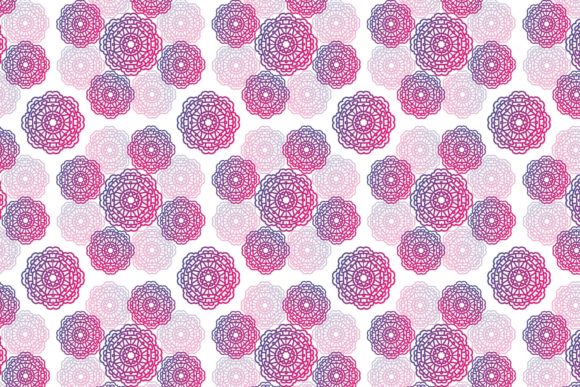
Understanding Mandala Tribal Style Patterns in Digital Design
What Defines Mandala Tribal Style Patterns
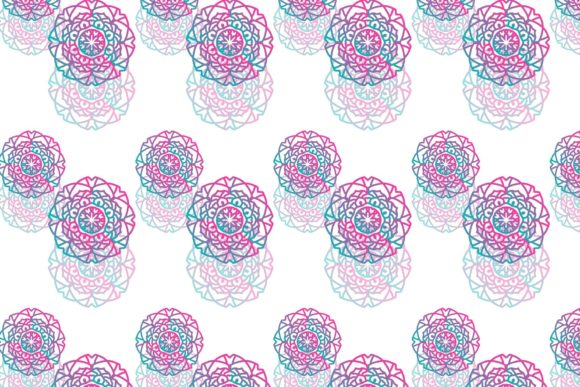
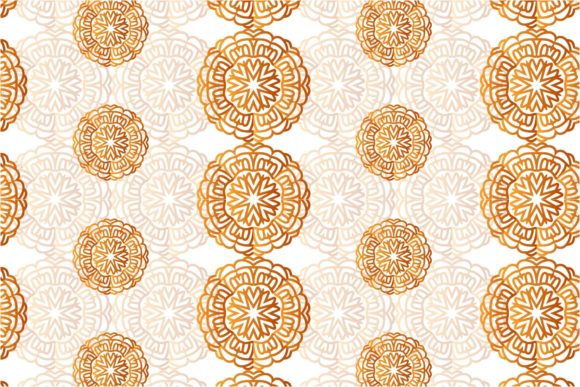
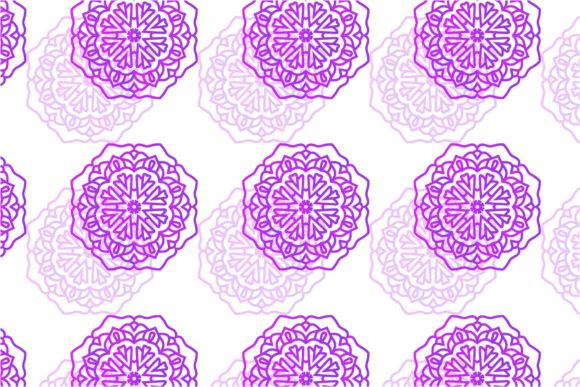
Mandala tribal style patterns represent a distinctive intersection of geometric precision and cultural ornamentation. Unlike traditional mandalas that emphasize perfect radial symmetry and spiritual symbolism, the tribal variant incorporates bold, angular motifs, repetitive linework, and dense patterning drawn from indigenous art traditions across multiple continents. The result is a design language that feels both structured and organic, ceremonial and contemporary.
These patterns typically feature concentric rings, repeating symbols, and contrasting positive and negative space. The tribal influence introduces sharper edges, asymmetrical elements, and raw, textural qualities that distinguish them from classical mandala forms. For designers and artists evaluating this style, the key differentiator is the fusion of meditative circular composition with the earthiness of tribal aesthetics.
Why Designers and Creatives Turn to This Style
There are several practical reasons someone might research and acquire mandala tribal style pattern assets. Understanding these motivations helps clarify whether this design direction aligns with your specific projects.
Versatility Across Applications
These patterns work across a wide range of media. From textile design and surface patterning to branding elements, tattoo flash, and digital backgrounds, the adaptability of the format is one of its strongest attributes. Designers working on bohemian, spiritual, or nature-inspired brands often find that tribal mandala elements provide visual depth without overwhelming the core message.
Cultural and Visual Depth
Many creatives are drawn to the storytelling potential within these patterns. The visual vocabulary often echoes symbols from Native American, African, Aboriginal, and Polynesian art forms. This can lend authenticity and gravitas to projects that aim to convey heritage, ritual, or connection to the natural world. However, it is important to approach such references with cultural awareness and sensitivity.
Ready-to-Use Format Efficiency
For professionals working under deadlines, having a complete set of digital files at a defined canvas size saves significant production time. The ability to import vector formats directly into design software and scale, recolor, or layer the artwork without quality loss is a tangible workflow advantage.
What the Digital Asset Package Includes and Why It Matters
A typical offering in this space includes five digital files at 1920 x 1280 pixels canvas size, provided in AI, EPS, SVG, JPG, and PNG formats. Each format serves a distinct purpose, and understanding these differences helps you evaluate whether the asset meets your technical needs.
- AI and EPS files are vector-based, meaning they remain crisp at any scale. These are essential if you plan to resize the pattern for large-format printing, signage, or product packaging.
- SVG files are web-friendly vectors that render cleanly in browsers and can be edited in code or via front-end tools. These are ideal for web designers building interactive or responsive elements.
- JPG and PNG files are raster formats. The PNG supports transparency, which is valuable when layering patterns over colored backgrounds or textures. The JPG offers a compressed, easy-to-share version for previews or mockups.
The fact that all files share a consistent canvas size simplifies alignment across your workflow. You can move from print layout to web mockup without rescaling or cropping discrepancies.
Benefits of Working with Predesigned Tribal Mandala Patterns
Evaluating the advantages objectively helps you decide whether this type of asset is a strategic choice or a shortcut that limits your creative control.
Time Savings without Compromising Quality
Creating complex mandala patterns from scratch requires significant skill, patience, and software proficiency. A professionally designed pattern lets you bypass the most labor-intensive phase of production while still delivering a polished visual result.
Consistent Aesthetic Output
Because the pattern repeats in a controlled, symmetrical manner, you avoid the irregularities that can occur when manually drafting tribal motifs. This consistency is especially valuable for branding systems, pattern libraries, and product lines where uniformity matters.
Learning and Reference Value
For emerging designers, studying how the vector paths are constructed, how the tribal elements are arranged radially, and how contrast is managed can serve as a practical learning tool. The editable nature of the AI, EPS, and SVG formats allows you to deconstruct the design and adapt techniques into your own original work.
Tradeoffs and Considerations to Keep in Mind
No asset is universally perfect. Being aware of limitations helps you avoid mismatched expectations.
Limited Originality
When you use a predesigned pattern, other designers may have purchased the same file. If your project requires complete uniqueness, a custom creation or substantial modification of the asset is necessary. Consider whether the pattern will appear as a background element, where uniqueness is less critical, or as a central visual identity, where originality is paramount.
Cultural Appropriation Risks
Tribal patterns draw from specific cultural traditions. Using these motifs without understanding their context can be perceived as disrespectful or exploitative. Evaluate whether your application honors the source culture or reduces its symbolism to decoration. When in doubt, research the origins of the symbols you are using and consider collaborating with artists from those communities.
Canvas Size Limitations
At 1920 x 1280 pixels, the raster files are suitable for digital displays, small prints, and mockups. For large format output such as banners, wall murals, or fabric printing, you will need to rely on vector files or scale with care. Verify that your workflow supports vector editing before committing to a raster-dependent process.
Software Compatibility
AI and EPS files require Adobe Illustrator or compatible software. SVG files are broadly supported, but certain advanced editing features may not transfer perfectly across all applications. Ensure your design tools can handle the formats you intend to use.
Scenarios Where This Design Style Excels
There are specific use cases where mandala tribal style patterns perform particularly well, making them a strong fit for your needs.
Bohemian and Spiritual Branding
Businesses in wellness, yoga, meditation, or holistic health often benefit from visuals that communicate calm, complexity, and cultural richness. These patterns can be used on packaging, website backgrounds, social media templates, and retail signage.
Textile and Surface Pattern Design
For apparel, home decor, or accessory lines, the repeatable nature of these patterns allows for seamless application across fabric, wallpaper, or ceramic surfaces. The tribal motifs add a handcrafted feel that mass-produced geometric prints sometimes lack.
Event and Festival Graphics
Music festivals, cultural events, and art exhibitions frequently use mandala-inspired visuals for posters, tickets, wristbands, and stage backdrops. The bold linework ensures legibility at varying distances and sizes.
Digital Content Creation
YouTubers, podcasters, and social media influencers in the lifestyle, spirituality, or design space can use these patterns as video backgrounds, thumbnail elements, or channel art. The file formats provide flexibility across platforms.
When Alternatives May Be Worth Considering
There are also scenarios where a different approach might serve you better. Recognizing these situations helps you make an informed decision rather than defaulting to a single option.
Highly Specific Brand Identity Work
If you are designing a logo or brand identity that must be completely distinct from competitors, a premade pattern may not suffice. Custom vector illustration or a collaboration with a professional artist may be a better investment.
Minimalist or Modern Aesthetic Projects
Clients or audiences who prefer clean, minimal design may find tribal mandala patterns too busy. In such cases, a simpler geometric pattern or a single bold symbol might communicate the intended message more effectively.
Budget or Resource Constraints
While the asset itself is relatively low-cost, the software required to edit vector files and the time needed to customize the pattern should be factored into your total project cost. If you lack access to Adobe products or vector editing tools, the JPG and PNG formats still offer value, but you lose the scalability benefit.
Practical Decision-Making Insights
To determine whether mandala tribal style patterns align with your goals, ask yourself these questions:
- What is the primary output medium? Vector files matter most if you are printing large or designing for responsive web.
- How important is originality? For background textures and decorative elements, predesigned patterns work well. For logos or hero graphics, invest in custom work.
- Does your brand's visual identity support ornate, layered patterning? Evaluate whether the complexity aligns with your audience's expectations.
- Can you ethically and tastefully incorporate tribal motifs? Be honest about your awareness of the cultural symbols you are using.
- What is your editing capability? If you can modify AI or SVG files, the asset becomes far more flexible than if you rely only on raster versions.
By weighing these factors against your project scope, timeline, and audience, you can decide whether this style adds value or introduces unnecessary complexity.
Final Perspective on Evaluating the Asset
Mandala tribal style patterns offer a practical, visually rich resource for designers who need efficient access to culturally inflected geometry. The five-format digital package at a consistent canvas size supports a range of workflows from print to screen. However, the decision to use such assets should be grounded in an understanding of their limitations: potential overuse by others, the need for cultural sensitivity, and the requirement for appropriate software.
When evaluated thoughtfully, these patterns serve as a tool rather than a shortcut. They can elevate a project when applied with intention, modified to suit a specific context, and placed within a broader design strategy that respects both the craft and the cultures that inspired it. For designers seeking a balance between ready-made convenience and aesthetic depth, this style remains a compelling option worth considering.