Unlocking Creative Potential with Patterns Batik Flower Coll for Modern Design Workflows
In the ever-evolving landscape of design and visual communication, the demand for assets that marry cultural richness with technical versatility has never been higher. Professionals across creative industries—from graphic designers and textile artists to event planners and digital marketers—are constantly seeking resources that offer both aesthetic depth and practical utility. One such asset that has garnered significant attention is the Patterns Batik Flower Coll. This article explores the nature of this design resource, its relevance in contemporary markets, and the practical reasons behind its growing adoption among creators and entrepreneurs alike.
Understanding Patterns Batik Flower Coll: A Fusion of Heritage and Modernity
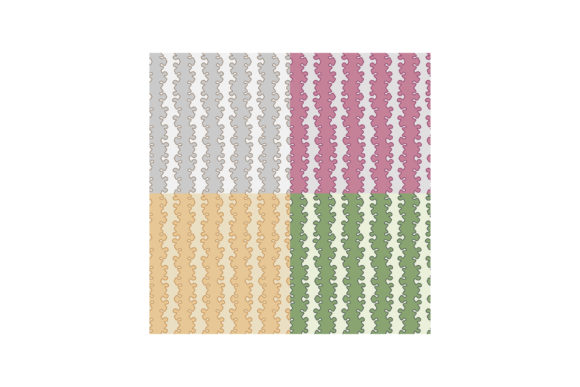
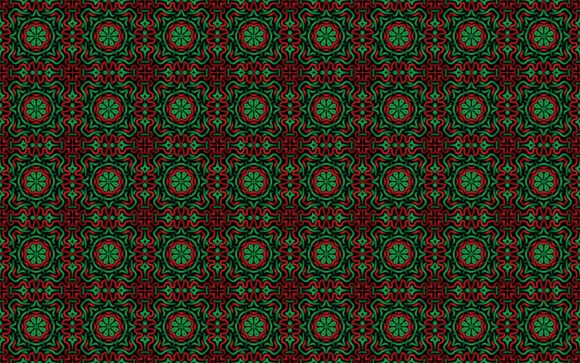
At its core, Patterns Batik Flower Coll refers to a curated collection of batik-inspired floral motifs designed for digital and print applications. Batik, a traditional textile art form with deep roots in Indonesian culture, is renowned for its intricate patterns, wax-resist dyeing techniques, and symbolic meanings. The "Flower Coll" variant specifically emphasizes floral arrangements, combining organic shapes with structured geometry that is characteristic of classic batik. However, what sets this particular pattern collection apart is its digitization into a vector-based format that retains the handcrafted essence while offering modern adaptability.
Unlike generic floral patterns, Patterns Batik Flower Coll brings a distinct cultural narrative into professional workflows. Each motif often carries connotations of growth, beauty, and tradition—elements that resonate well with audiences seeking authenticity in an era of mass-produced visuals. For creators, this means access to designs that are not merely decorative but also communicative, capable of adding layers of meaning to any project.
Why the Market Is Paying Attention to Batik-Inspired Designs
The resurgence of interest in batik patterns, particularly floral collations, can be attributed to several converging trends in the creative and consumer goods industries. First, there is a measurable shift toward cultural authenticity and heritage in design. Brands and independent creators are moving away from generic, globalized aesthetics in favor of patterns that tell a story or reflect regional artistry. Batik, with its UNESCO-recognized heritage status, offers exactly this kind of depth.
Second, the rise of sustainable and slow-design movements has elevated the value of patterns that feel deliberate and crafted rather than algorithmically generated. Patterns Batik Flower Coll fits this paradigm perfectly: it offers the handmade sensibility of traditional batik while being optimized for modern production techniques. Entrepreneurs in home décor, fashion, and stationery are increasingly sourcing such patterns to differentiate their products in crowded marketplaces.
Third, the floral motif itself remains a perennial favorite in visual design. Flowers symbolize nature, vitality, and elegance, making them suitable for a wide range of contexts from weddings to corporate branding. When rendered through the batik lens, florals acquire a rhythmic, repeating structure that feels both organic and orderly—a combination that appeals to designers who need patterns that work at multiple scales.
Practical Applications Across Industries and Use Cases
One of the most compelling aspects of Patterns Batik Flower Coll is its versatility. Because the pattern is provided in scalable vector formats—including both JPEG and AI files—it can be deployed across print, digital, and textile workflows without loss of quality. This technical flexibility opens the door to numerous professional applications.
Wedding Supplies and Event Design
Event planners and wedding designers are among the primary adopters of this pattern type. Batik floral motifs bring a sense of ceremony and natural beauty to invitations, place cards, favor boxes, and table runners. The pattern can be used as a full background or as an accent element, and its cultural undertones can be woven into themes that celebrate heritage or tropical elegance. Because the vector file allows resizing without pixelation, it works equally well on a small RSVP card or a large ceremony backdrop.
Home Décor and Tablecloths
Interior designers and home goods entrepreneurs are leveraging Patterns Batik Flower Coll for textiles and surface prints. Tablecloths, napkins, cushion covers, and curtains benefit from the repeatability of the pattern. The batik aesthetic adds warmth and sophistication to both modern and traditional interiors. For small-batch manufacturers, having an AI vector file means they can easily adjust colors or scale to match their specific fabric runs without needing to commission original artwork each time.
Henna Painting and Body Art Inspiration
While perhaps less obvious, the henna and body art community has embraced batik floral collations as reference material. Henna artists often draw from geometric and botanical patterns, and the highly structured yet flowing nature of batik flowers provides a rich source of inspiration. Artists can adapt the vector outlines to create stencils or use them as a visual guide for intricate hand-painted designs. This cross-pollination between textile patterns and body art is a growing niche that reflects how patterns migrate across creative disciplines.
Knitwear and Textile Design
In fashion, especially knitwear, the ability to translate a pattern into a repeatable motif is vital. Patterns Batik Flower Coll offers designers a ready-to-use base that can be adapted for jacquard, intarsia, or surface printing. The AI file format enables fashion professionals to separate colorways, manipulate elements, or combine the flower motifs with other geometric shapes for custom collections. This efficiency saves time during the design phase and reduces the reliance on outsourced pattern drafting.
Digital Cutting and Print-on-Demand
For entrepreneurs using cutting machines (such as die-cutters or laser engravers), the vector format of Patterns Batik Flower Coll is particularly valuable. The pattern can be used for vinyl decals, stencils, cardstock cutouts, or even laser-engraved wood. Print-on-demand sellers can apply the pattern to mugs, phone cases, tote bags, and apparel, with the assurance that the artwork is cleanly scalable and color-separated. The inclusion of both JPEG and AI files means that users can work in raster or vector environments depending on their software and machine requirements.
Changing Workflows and Professional Expectations
The increasing adoption of resources like Patterns Batik Flower Coll reflects a broader shift in how creative professionals approach their workflows. Several factors are driving this change:
- Speed-to-market pressures: Freelancers and small businesses need to produce high-quality designs quickly. Pre-made patterns that are fully editable in vector software allow for rapid iteration without starting from scratch.
- Cross-platform compatibility: With design work spanning print, digital, and textile outputs, having a single asset that works across mediums (via AI and JPEG) reduces file management complexity and ensures brand consistency.
- Client demand for uniqueness: Clients increasingly ask for designs that feel distinctive yet culturally grounded. Batik patterns offer a recognizable but not overused aesthetic that can be customized with color tweaks or layout variations.
- Cost efficiency: Commissioning original batik artwork can be expensive and time-consuming. Purchasing a high-quality vector pattern set provides a professional starting point at a fraction of the cost, making it accessible to startups and individual creators.
These workflow changes are not limited to seasoned professionals. Enthusiasts and hobbyists—such as those creating custom gifts, party decorations, or small-batch crafts—also benefit from the ready-to-use nature of these files. The barrier to creating professional-grade items has lowered considerably, and pattern assets like this are central to that democratization of design.
Connecting to Larger Consumer and Lifestyle Trends
The relevance of Patterns Batik Flower Coll extends beyond individual use cases into broader lifestyle and consumer trends. One notable development is the growing preference for handmade and artisanal aesthetics in home and fashion environments. Consumers are gravitating toward products that feel curated and meaningful, even when they are mass-produced. Batik-inspired patterns satisfy this desire by offering a visual connection to traditional craftsmanship.
Additionally, the rise of "global bohemian" and "tropical contemporary" interior styles has fueled demand for floral patterns with cultural specificity. Batik fits naturally within these aesthetics, providing a middle ground between minimalist geometry and maximalist florals. For brands targeting millennial and Gen Z consumers—who often prioritize authenticity and cultural awareness—using batik patterns can signal a thoughtful design sensibility.
In the event-planning sector, there is a notable movement toward personalized and culturally resonant celebrations. Couples, for example, are increasingly seeking wedding themes that reflect their heritage or travel experiences. Patterns Batik Flower Coll offers a versatile tool for creating cohesive visual identities that incorporate batik elements without requiring a complete design overhaul.
Practical Observations for Professionals and Creators
For those considering integrating Patterns Batik Flower Coll into their work, several practical observations can guide effective use:
- Start with color experimentation: The vector AI format allows easy recolorization. Consider testing the pattern in different palettes to suit your brand or project theme—metallic accents for premium items, pastels for baby showers, or earth tones for sustainable products.
- Scale strategically: Because the pattern is seamless, it can be scaled up or down. A large-scale version works well for statement walls or tablecloths, while a smaller scale suits stationery or apparel accents.
- Combine with other elements: The flower motifs can be layered with typography, geometric frames, or monograms. This layered approach is common in modern branding and invitation design.
- Test print before full production: Even with high-quality vector files, it is advisable to run test prints on your intended substrate—especially for textiles, where ink absorption and fabric texture can affect the final look.
- Leverage the JPEG for quick previews: The included JPEG file is useful for placing into mockups, client presentations, or social media teasers without needing to open vector software.
These practices are drawn from real-world feedback from designers who have used batik pattern assets in commercial projects. The common thread is that the pattern's value is maximized when users treat it not as a fixed design but as a flexible component that can be adapted to specific needs.
The Broader Significance of Digitized Cultural Patterns
The availability of Patterns Batik Flower Coll in professional file formats is part of a larger trend: the digitization of cultural heritage for contemporary use. Museums, cultural organizations, and independent artists are increasingly releasing digital versions of traditional patterns, making them accessible to a global audience. This movement has significant implications for how culture is preserved, shared, and evolved.
For professionals, this means access to a richer vocabulary of visual elements. Batik, ikat, mudcloth, and other traditional patterns are no longer confined to their regions of origin but are available as design tools that can be respectfully adapted in new contexts. When used thoughtfully, these patterns help bridge cultural appreciation with creative innovation.
Moreover, the vector format ensures that these designs remain usable for decades, independent of software version changes or resolution limitations. This longevity is crucial for brands that invest in consistent visual identity systems.
Final Considerations for Entrepreneurs and Marketers
Entrepreneurs and marketers looking to differentiate their product lines should consider how Patterns Batik Flower Coll can serve as a visual anchor for collections. The pattern can unify a product set—from packaging to textiles to digital assets—creating a cohesive brand story. When used across touchpoints, it reinforces a sense of quality and intentionality that consumers recognize.
Additionally, the pattern's cultural resonance can be a marketing asset. In product descriptions and campaigns, highlighting the batik heritage and the handmade inspiration behind the motif can engage audiences who value storytelling and authenticity. This is particularly effective in sectors like ethical fashion, homeware, and event design, where narrative is a key purchasing driver.
Conclusion
Patterns Batik Flower Coll represents more than a simple design file—it is a versatile, culturally rich resource that meets the demands of modern creative production. Its vector and raster formats accommodate diverse workflows, while its aesthetic bridges tradition and contemporary taste. For professionals, creators, entrepreneurs, and enthusiasts, this pattern collection offers a practical entry point into designs that are both beautiful and meaningful. As the creative economy continues to value efficiency, authenticity, and adaptability, assets like this will remain central to productive workflows and standout visual outcomes.